




Titanium Coated Kitchen Knives Explained
Titanium Coated Kitchen Knives Explained
Published by FASAKA | Knife Technology Guide
Titanium coated kitchen knives have become increasingly popular in both retail and professional kitchen markets. Their modern appearance, enhanced corrosion resistance, and improved surface durability make them attractive for global kitchenware brands and consumers alike.
However, many buyers misunderstand what titanium coating actually does. A titanium coated knife is not made entirely from titanium. Instead, it typically uses stainless steel as the base material with an ultra-thin titanium coating applied to the blade surface.
In this guide, FASAKA explains how titanium coated kitchen knives work, their advantages and limitations, and what importers should consider before sourcing them for international markets.
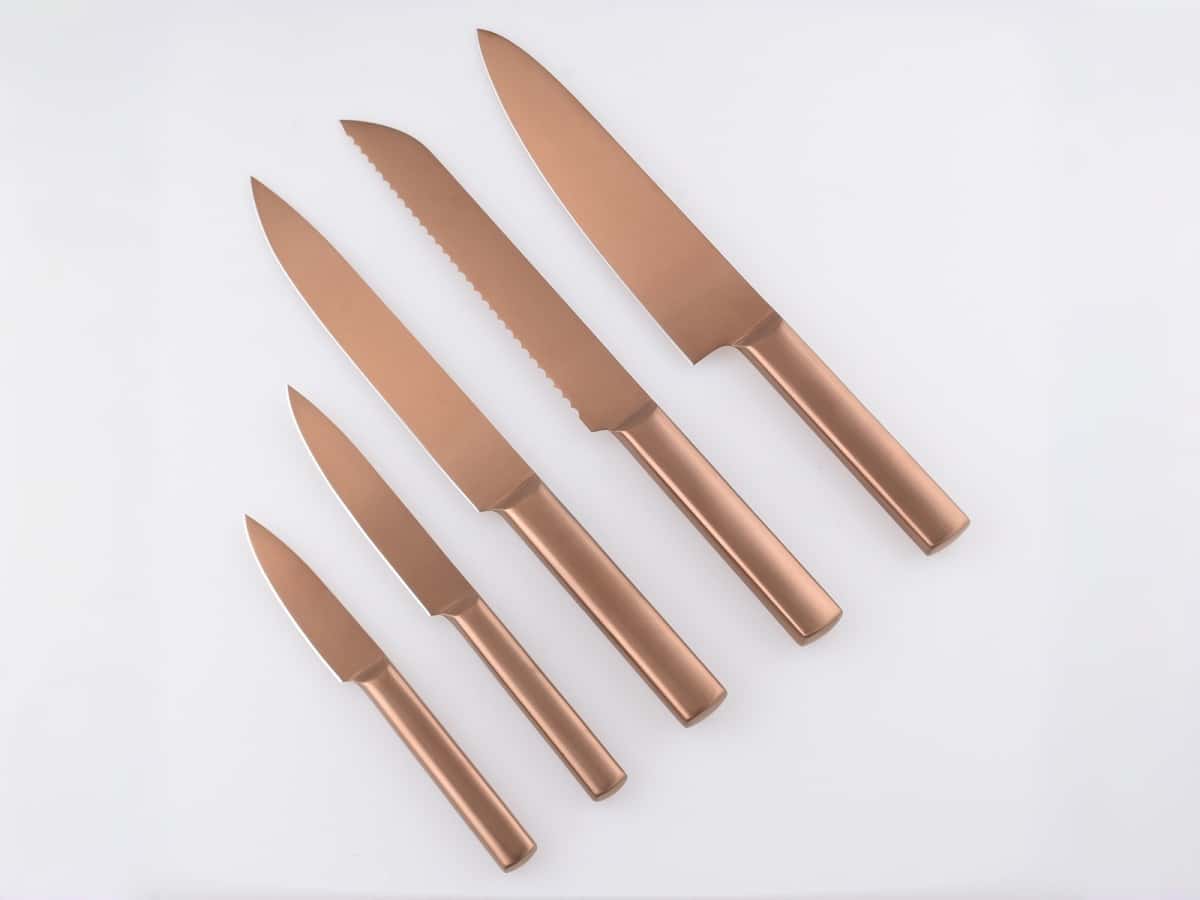
What Is a Titanium Coated Kitchen Knife?
A titanium coated kitchen knife is typically manufactured using stainless steel blades coated with a thin layer of titanium through processes such as Physical Vapor Deposition (PVD) or electroplating.
- Core blade material remains stainless steel
- Titanium coating enhances surface performance
- Often available in black, gold, rainbow, or matte finishes
- Popular in modern kitchenware collections
Unlike pure titanium knives, titanium coated knives maintain the cutting performance and hardness of steel while improving appearance and corrosion resistance.
Benefits of Titanium Coated Kitchen Knives
Titanium coating offers several practical and commercial advantages for both consumers and kitchenware brands.
1. Improved Corrosion Resistance
Titanium coating creates an additional protective layer on the blade surface, helping reduce exposure to moisture, acidic foods, and humidity.
This is especially valuable in humid markets such as Southeast Asia and coastal regions where kitchen knives are more vulnerable to rust.
2. Enhanced Surface Durability
The coating helps improve scratch resistance and surface wear performance during daily kitchen use.
- Better resistance to surface marks
- Reduced visible wear over time
- Longer-lasting premium appearance
3. Premium Aesthetic Appearance
Titanium coatings are widely used for visual differentiation in retail markets.
- Modern matte black finish
- Luxury gold coating
- Rainbow and customized colors
- High-end retail shelf appeal
For OEM and private label buyers, titanium coating helps create stronger product differentiation and branding opportunities.
Does Titanium Coating Improve Sharpness?
One common misconception is that titanium coating itself makes knives sharper. In reality, blade sharpness mainly depends on:
- Steel composition
- Heat treatment quality
- Blade geometry
- Edge angle
Titanium coating does not directly increase edge sharpness, but it may help reduce surface friction slightly during cutting.
To better understand how steel performance affects sharpness and durability, you can also read: Why Japanese Knives Are Harder Than Western Knives .
Limitations of Titanium Coated Knives
Although titanium coating offers many benefits, buyers should also understand its limitations.
- The coating can wear over time with heavy sharpening
- Deep scratches may expose underlying steel
- Poor coating quality may peel or fade
- Low-quality coating processes reduce long-term durability
This is why manufacturing capability and coating technology are extremely important when selecting a supplier.
Titanium Coated vs Standard Stainless Steel Knives
| Feature | Titanium Coated | Standard Stainless Steel |
|---|---|---|
| Appearance | Premium & decorative | Classic steel finish |
| Corrosion Resistance | Higher surface protection | Depends on steel quality |
| Scratch Resistance | Improved | Standard |
| Cost | Higher | Lower |
| Retail Appeal | Very strong | Traditional |
What Buyers Should Check Before Sourcing Titanium Coated Knives
Importers and private label brands should evaluate more than appearance when selecting titanium coated knife suppliers.
- Base steel quality (3Cr13, 5Cr15MoV, etc.)
- Heat treatment consistency
- Coating process technology
- FDA & LFGB food-contact compliance
- Scratch and corrosion testing capability
- OEM color customization support
For businesses looking for full customization support, visit FASAKA’s OEM & ODM Kitchenware Service page.
FASAKA Titanium Coated Kitchen Knife Solutions
FASAKA supplies titanium coated kitchen knives for global retailers, distributors, and private label brands.
- Black titanium coated chef knives
- Gold coated premium knife collections
- Rainbow titanium finish designs
- Custom logo and packaging solutions
- FDA & LFGB compliant production
Explore more kitchen knife products here: Kitchen Knife Collection .
Frequently Asked Questions (FAQ)
Are titanium coated knives better than stainless steel knives?
Titanium coated knives offer better corrosion resistance and premium appearance, but cutting performance still depends mainly on the underlying steel and heat treatment.
Do titanium coated knives rust?
They are more resistant to rust than standard steel knives, but improper maintenance or damaged coating may still allow corrosion over time.
Does titanium coating wear off?
Yes. Over time, repeated sharpening and heavy use can gradually wear the coating, especially on lower-quality products.
Are titanium coated knives safe for food contact?
Yes, when manufactured using food-grade materials and compliant coating processes that meet FDA or LFGB requirements.
Can titanium coated knives be customized for private label brands?
Absolutely. Many OEM manufacturers, including FASAKA, offer custom colors, logos, coatings, and packaging solutions for global kitchenware brands.
Looking for Titanium Coated Kitchen Knife Manufacturer?
Contact FASAKA for OEM/ODM titanium coated kitchen knives, custom finishes, FDA/LFGB compliant production, and wholesale kitchenware solutions.
Contact Us

