




How Long Should Kitchen Knives Last?
How Long Should Kitchen Knives Last?
Published by FASAKA | Kitchen Knife Care & Durability Guide
A high-quality kitchen knife is designed to last for years, but actual lifespan depends on steel quality, heat treatment, maintenance habits, and usage frequency. Some knives remain reliable for over a decade, while low-quality blades may lose performance within months.
At FASAKA, durability is a core consideration across our kitchen knife product collection , helping distributors and retailers provide long-lasting value to end users.
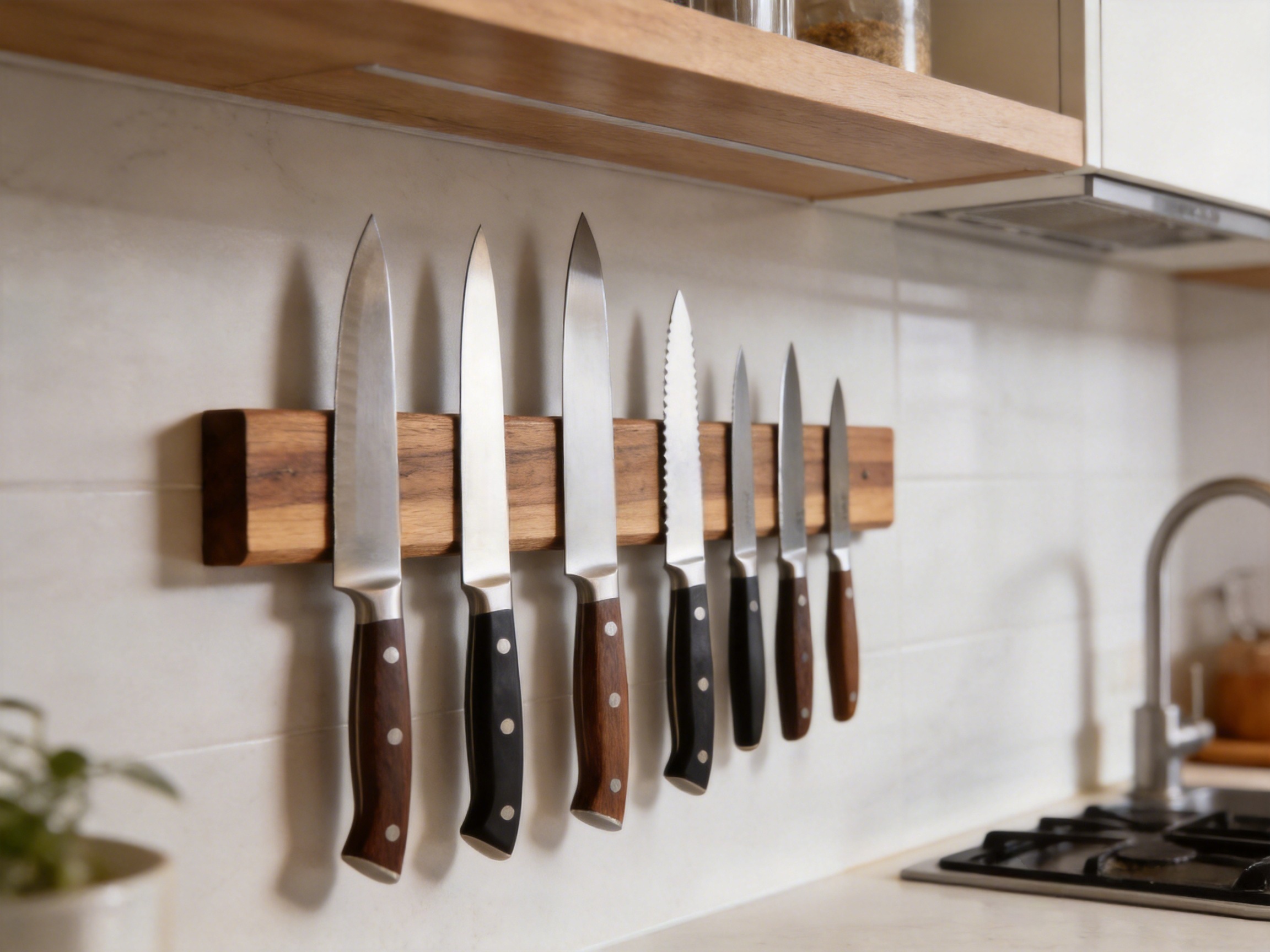
Average Lifespan of Kitchen Knives
The lifespan of a kitchen knife varies greatly depending on material quality and maintenance.
- Entry-level knives: 1–3 years under regular use
- Mid-range stainless steel knives: 5–10 years
- Professional-grade knives: 10+ years with proper care
- Premium forged knives: potentially decades of use
In many cases, the blade itself does not fail—the knife loses performance due to poor maintenance, corrosion, or repeated improper sharpening.
What Affects Kitchen Knife Lifespan?
Several key factors determine how long a kitchen knife can maintain safe and effective performance.
- Steel composition and hardness
- Heat treatment quality
- Blade thickness and edge geometry
- Cleaning and storage conditions
- Frequency of sharpening
Surface finishing also plays an important role in long-term durability. Different finishes provide different levels of scratch visibility and maintenance requirements, as discussed in our guide: Satin Finish vs Mirror Finish Knives .
Signs a Kitchen Knife Needs Replacement
Even well-maintained knives eventually show signs of structural wear or performance decline.
- Deep blade chips or cracks
- Loose or damaged handle structure
- Severe rust or corrosion
- Blade becomes too thin after repeated sharpening
- Poor cutting performance despite sharpening
In many situations, professional sharpening can restore performance without replacing the knife entirely.
How to Extend Kitchen Knife Lifespan
Proper care is the most important factor in maximizing knife longevity.
- Hand wash and dry immediately after use
- Avoid dishwashers and harsh detergents
- Use proper cutting boards instead of glass or stone
- Store knives in dry, ventilated areas
- Sharpen regularly using proper techniques
Consistent maintenance prevents corrosion, edge damage, and premature structural wear.
How FASAKA Designs Long-Lasting Kitchen Knives
At FASAKA, long-term durability is integrated into every stage of product development—from steel selection to heat treatment and surface finishing.
Through our OEM/ODM kitchenware manufacturing solutions , we support customized knife development for global retailers, distributors, and private label brands.
- Optimized stainless steel selection
- Stable heat treatment processes
- Corrosion-resistant blade finishing
- Strict quality inspection standards
- Durability-focused OEM engineering
Frequently Asked Questions (FAQ)
How long should a good kitchen knife last?
A high-quality kitchen knife can last 10 years or more with proper maintenance and sharpening.
Do kitchen knives wear out permanently?
Over time, repeated sharpening and corrosion can reduce blade thickness and structural strength, eventually requiring replacement.
What shortens knife lifespan the most?
Dishwashers, poor storage, improper sharpening, and moisture exposure are major factors that shorten knife lifespan.
Can OEM kitchen knives still be durable?
Yes. Professional OEM manufacturers like FASAKA can produce durable kitchen knives when proper materials and manufacturing standards are applied.
Looking for Durable OEM Kitchen Knives?
Contact FASAKA for OEM/ODM kitchen knives designed for long-term durability, stable performance, and global retail distribution.
Contact Us

