




Why Japanese Knives Are Harder Than Western Knives
Why Japanese Knives Are Harder Than Western Knives
Published by FASAKA | Kitchen Knife Steel & Hardness Guide
Japanese kitchen knives are widely known for their exceptional sharpness and high hardness levels, while Western knives are often recognized for durability and versatility. One of the biggest technical differences between these knife styles is blade hardness.
Understanding why Japanese knives are generally harder than Western knives helps buyers, distributors, and kitchenware brands select the right products for different cooking applications and markets.
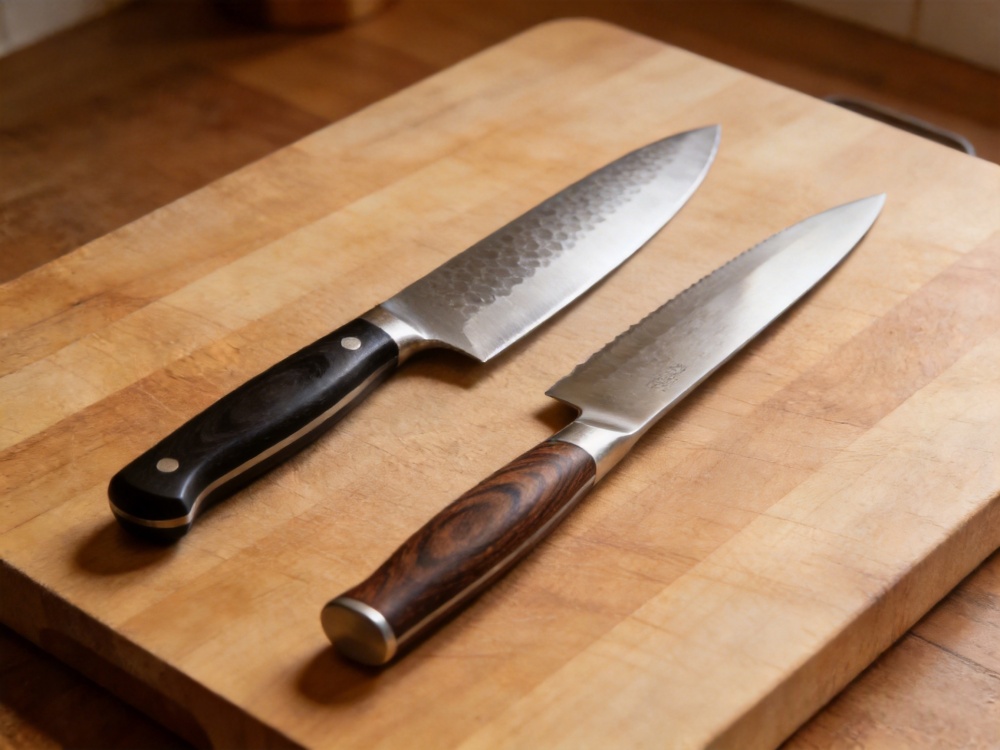
What Does Knife Hardness Mean?
Knife hardness refers to the blade’s resistance to deformation and wear. It is commonly measured using the Rockwell Hardness Scale (HRC).
- Higher HRC = harder steel
- Harder blades maintain sharp edges longer
- Softer blades are generally tougher and less brittle
Japanese kitchen knives often range between 60–65 HRC, while many Western kitchen knives are typically between 54–58 HRC.
Learn more about hardness ratings in our related guide: Kitchen Knife Hardness Explained .
Why Japanese Knives Use Harder Steel
Japanese knife-making traditions prioritize precision cutting performance and ultra-sharp edges. To achieve this, manufacturers often use harder steel compositions and advanced heat treatment methods.
- High-carbon steel compositions
- Advanced heat treatment processes
- Thinner edge geometry
- Focus on precision slicing performance
Harder steel allows Japanese knives to maintain extremely sharp cutting edges for longer periods compared to softer Western blades.
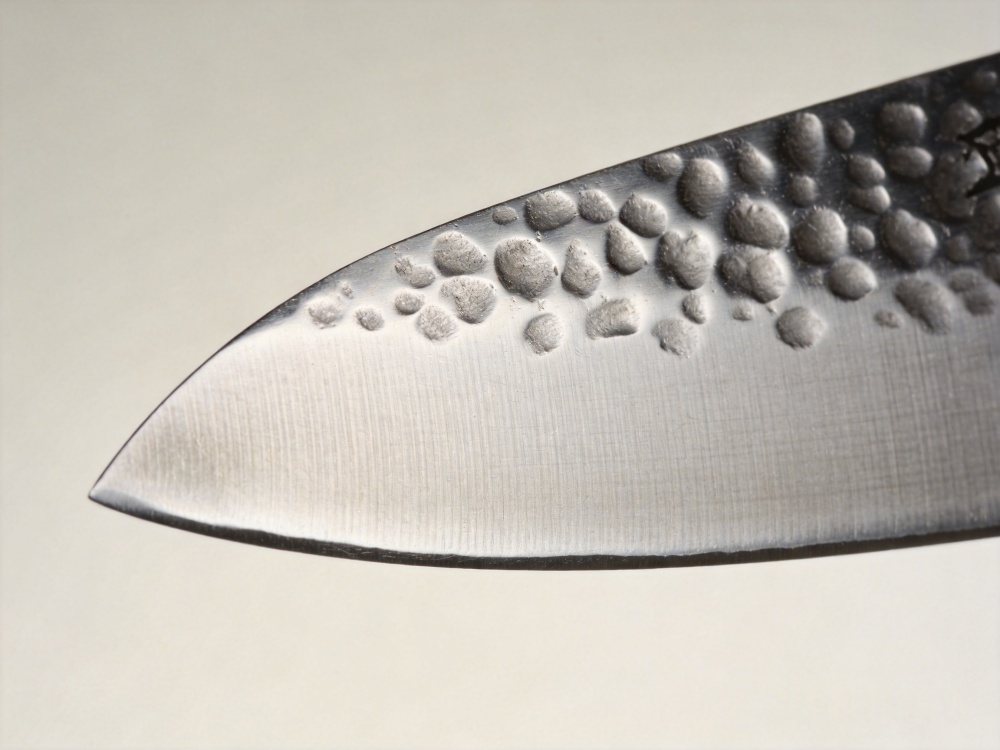
Why Western Knives Are Usually Softer
Western kitchen knives are designed with a different philosophy that emphasizes toughness, versatility, and durability under heavy use.
- Better resistance to impact and chipping
- Suitable for heavier cutting tasks
- Easier maintenance and sharpening
- Designed for multi-purpose kitchen use
Softer steel is less likely to chip when cutting harder ingredients or when used improperly in commercial kitchen environments.
Advantages of Harder Japanese Knives
Higher hardness provides several important cutting advantages.
- Excellent edge retention
- Sharper cutting angles
- Cleaner and more precise slicing
- Reduced cutting resistance
These characteristics make Japanese knives highly popular among professional chefs and culinary enthusiasts who prioritize precision.
Disadvantages of Harder Knives
Although harder knives offer excellent sharpness, they also require more careful handling.
- Higher risk of edge chipping
- Less flexibility under impact
- Requires proper cutting surfaces
- More specialized sharpening methods
Hard Japanese knives are not ideal for cutting frozen foods, bones, or extremely hard materials.
Which Knife Style Is Better?
Neither Japanese nor Western knives are universally better. The ideal choice depends on cooking style, maintenance preference, and cutting application.
| Feature | Japanese Knives | Western Knives |
|---|---|---|
| Hardness | Higher | Lower |
| Edge Retention | Excellent | Good |
| Toughness | Moderate | Higher |
| Sharpening | More specialized | Easier |
| Best Use | Precision slicing | Heavy-duty versatility |
FASAKA OEM/ODM Kitchen Knife Solutions
FASAKA manufactures kitchen knives for different market preferences, including both Japanese-style high-hardness knives and Western-style multi-purpose knives.
Through our OEM/ODM kitchenware manufacturing services , we support customized blade steel selection, hardness optimization, handle structures, packaging, and branding solutions.
Explore our complete kitchen knife product collection for wholesale and private label opportunities.
Frequently Asked Questions (FAQ)
Why are Japanese knives harder?
Japanese knives use harder steel and advanced heat treatment to achieve sharper edges and longer edge retention.
Are harder knives better?
Harder knives hold sharpness longer, but softer knives are usually tougher and more resistant to chipping.
What hardness is typical for Japanese knives?
Many Japanese kitchen knives range between 60–65 HRC depending on steel type and intended application.
Can Western knives also be very hard?
Yes. Some premium Western knives use harder steels, although traditional Western designs usually prioritize toughness over maximum hardness.
Looking for OEM Japanese & Western Style Kitchen Knives?
Contact FASAKA for customized kitchen knife manufacturing, steel selection support, and global OEM/ODM solutions.
Contact Us

