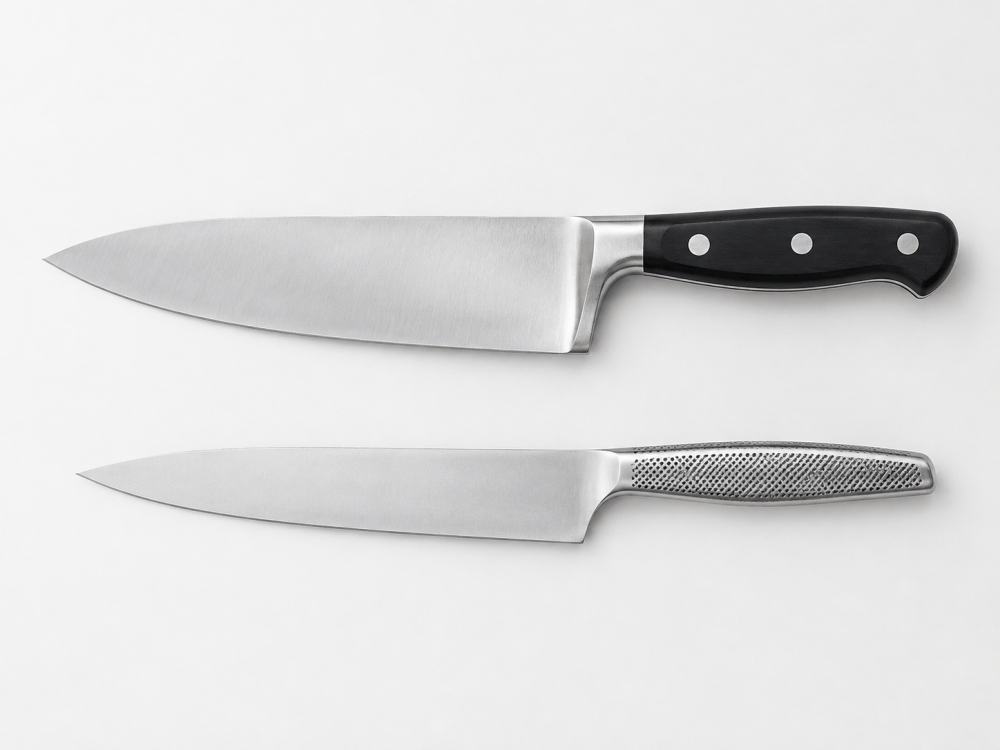



What Kitchen Knives Are Most Popular in Germany?
What Kitchen Knives Are Most Popular in Germany?
Published by FASAKA | Kitchen Knife Market Guide
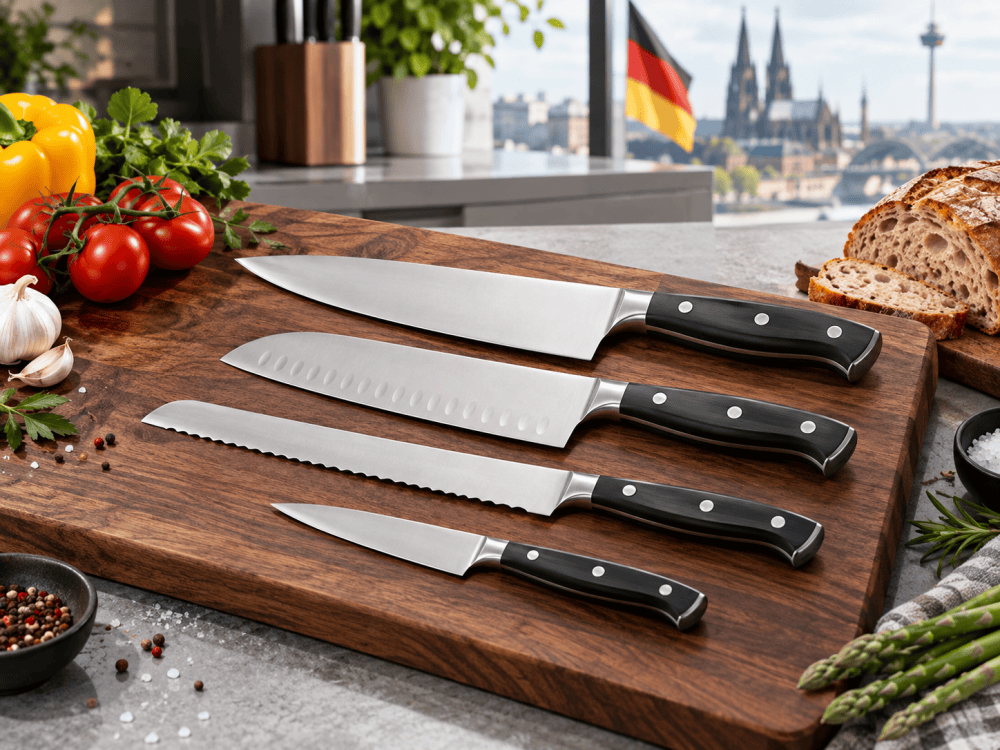
Germany has a strong kitchen knife culture, supported by well-established European cutlery brands, professional kitchens, specialist retailers, supermarkets, and online marketplaces. German consumers have access to a wide variety of knife styles, from traditional Western chef's knives to Japanese-inspired Santoku knives and specialized bread knives.
For international kitchenware brands, importers, distributors, and private-label buyers, understanding which kitchen knives are popular in Germany can be useful when developing products specifically for the German and wider European market.
The German market is not dominated by a single knife shape. Instead, consumers commonly choose different knives for different food preparation tasks. Chef's knives remain an important all-purpose option, while Santoku knives, bread knives, paring knives, and utility knives serve specific cooking needs.
In this guide, FASAKA explores the most popular kitchen knife types in Germany, how they are used, what consumers typically look for, and how brands can build a practical kitchen knife set for the German market.
For the German market, a successful kitchen knife collection does not necessarily need a large number of specialized blades. A practical assortment built around a chef's knife, Santoku knife, bread knife, paring knife, and utility knife can cover a wide range of everyday cooking tasks.
Table of Contents
- What Makes Kitchen Knives Popular in Germany?
- 1. Chef's Knife
- 2. Santoku Knife
- 3. Bread Knife
- 4. Paring Knife
- 5. Utility Knife
- 6. Carving Knife
- 7. Boning and Fillet Knives
- Popular Kitchen Knives in Germany Compared
- What Should a German Kitchen Knife Set Include?
- What Materials Are Popular in German Kitchen Knives?
- What Do German Consumers Look for in Kitchen Knives?
- Opportunities for Kitchen Knife OEM Buyers
- FASAKA Kitchen Knife Solutions
- Frequently Asked Questions
What Makes Kitchen Knives Popular in Germany?
German consumers have access to both traditional European knife designs and international styles. This means that kitchen knife preferences in Germany are relatively diverse.
Traditional German-style kitchen knives are generally associated with robust construction, practical blade geometry, comfortable handles, and versatility. At the same time, Japanese-inspired knife shapes such as the Santoku have become widely available in German retail channels.
German retailers commonly offer categories such as chef's knives, Santoku knives, bread knives, paring knives, utility knives, carving knives, and steak knives. This product mix reflects the different preparation methods found in modern European kitchens.
Another important characteristic is the importance of bread in everyday European diets. As a result, a bread knife is often considered a useful component of a complete kitchen knife collection rather than an optional specialty tool.
For manufacturers and B2B buyers, this means that developing products for Germany requires more than simply offering a generic chef knife. A balanced assortment should cover the most common preparation tasks.
1. Chef's Knife
The chef's knife is one of the most important kitchen knives for the German market. It is designed as a general-purpose knife and can be used for chopping, slicing, dicing, mincing, and preparing vegetables, meat, herbs, and other ingredients.
Traditional European chef's knives are commonly designed with a relatively substantial blade and a comfortable handle. This makes them suitable for a wide variety of kitchen tasks and gives them the durability expected from an everyday workhorse knife.
Common blade lengths include approximately 16 cm, 18 cm, and 20 cm, with 20 cm being a particularly common full-size option for general kitchen use.
Why Chef's Knives Are Popular
- Suitable for a wide range of cooking tasks
- Works well with vegetables, meat, herbs, and fruit
- Suitable for both home kitchens and professional kitchens
- Available in many price levels
- Easy to include in kitchen knife sets
For B2B buyers, chef's knives are usually one of the first products to consider when developing a German-market kitchen knife collection.
2. Santoku Knife
The Santoku knife has become an important alternative to the traditional European chef's knife. Its broad blade, relatively compact size, and straight cutting profile make it suitable for vegetables, meat, and fish.
German retailers such as WMF currently offer multiple Santoku models across different collections and price levels, showing that this Japanese-style knife has become a well-established product category in the German market. :contentReference[oaicite:1]{index=1}