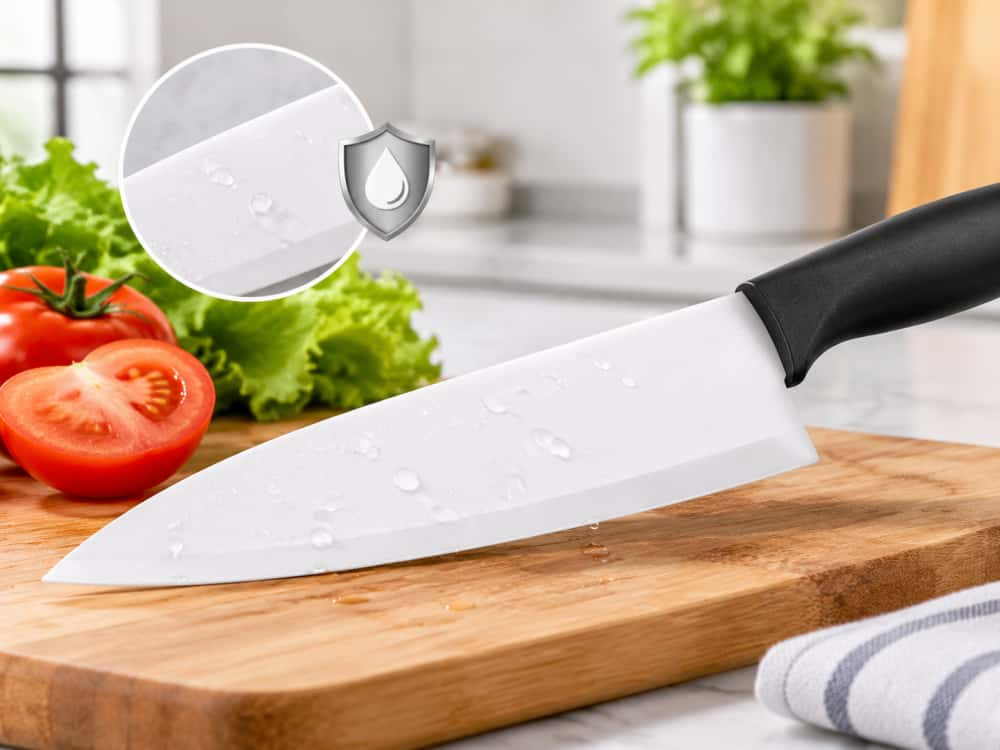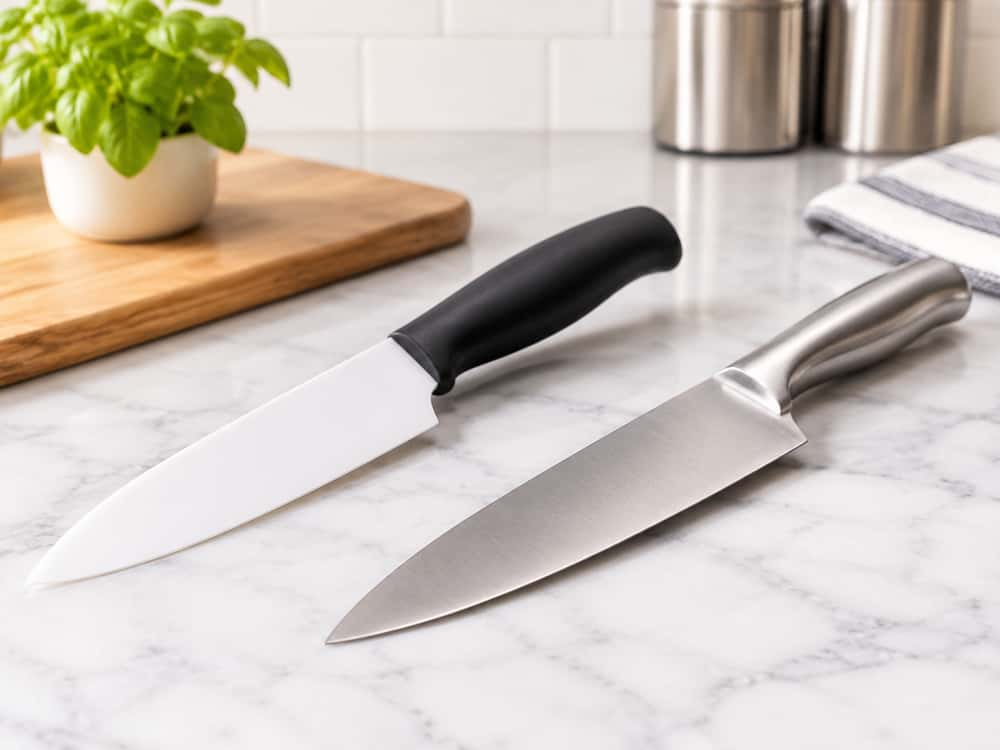




How to Sharpen a Ceramic Knife: What You Need to Know
Ceramic knives are known for their hardness, lightweight design, and ability to retain a sharp cutting edge for a long time. However, when a ceramic knife eventually becomes dull or develops small chips, sharpening it is different from sharpening a conventional stainless steel knife.
So, how do you sharpen a ceramic knife? In most cases, you need a diamond-based sharpening tool or a professional sharpening service equipped for ceramic blades. Ordinary whetstones and standard knife sharpeners are generally not suitable.
Understanding the correct sharpening method can help restore cutting performance while reducing the risk of damaging the blade.
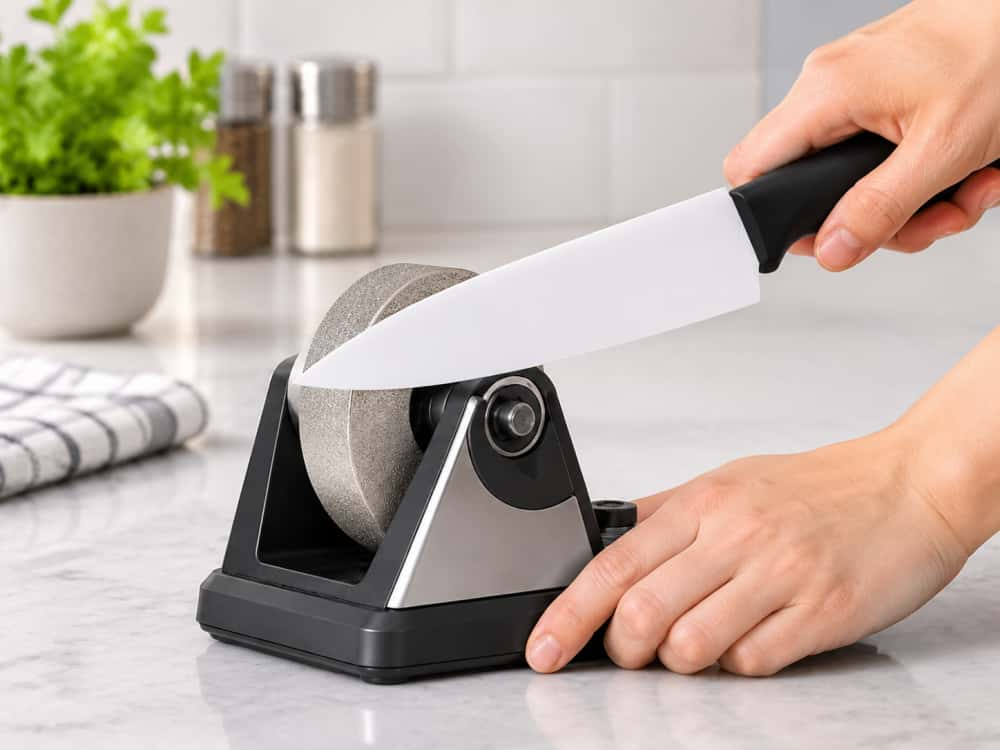
To sharpen a ceramic knife, use a compatible diamond-wheel sharpener or consult a professional ceramic knife sharpening service. Diamond abrasives are suitable because ceramic blades are extremely hard.
Before sharpening, check the manufacturer's instructions and confirm that the sharpener is designed for your knife type. Do not use a conventional whetstone, ceramic honing rod, or an incompatible pull-through sharpener.
If the blade has deep chips, a broken tip, or visible cracks, stop using it and seek professional assessment or replacement.
Table of Contents
- Why Are Ceramic Knives Different to Sharpen?
- What Do You Need to Sharpen a Ceramic Knife?
- How to Sharpen a Ceramic Knife Step by Step
- When Should You Use Professional Sharpening?
- Common Ceramic Knife Sharpening Mistakes
- How to Tell If a Ceramic Knife Needs Sharpening
- How to Keep a Ceramic Knife Sharp Longer
- Ceramic Knife vs. Steel Knife Sharpening
- Frequently Asked Questions
Why Are Ceramic Knives Different to Sharpen?
Most kitchen ceramic knives use advanced ceramic materials based on zirconium oxide, also known as zirconia. This material is extremely hard and wear-resistant, which helps ceramic blades retain their sharpness during normal cutting tasks.
However, hardness does not mean that a ceramic blade is indestructible. Ceramic is also more brittle than many steel blade materials. It can chip or break if the knife is dropped, twisted, or used to cut unsuitable hard materials.
1. Ceramic Blades Are Extremely Hard
Traditional sharpening stones are designed for common steel knife blades. Ceramic blades require a much harder abrasive to remove material and reshape the cutting edge effectively.
Diamond abrasives are commonly used for this purpose because diamond is harder than the ceramic material used in most kitchen ceramic knives.
2. Ceramic Blades Can Chip Instead of Bending
Steel blades can sometimes develop a rolled or bent edge when they become dull. Ceramic blades behave differently. Because of their hardness and brittleness, small chips or micro-damage may appear along the cutting edge over time.
Sharpening a ceramic knife therefore requires controlled material removal. Applying excessive pressure or twisting the blade can create additional damage.
3. Ceramic Knives Do Not Need the Same Honing Process as Steel Knives
Steel knives are often maintained with a honing rod to realign the cutting edge between sharpening sessions. Ceramic knives do not respond to this process in the same way.
A standard ceramic honing rod is not a substitute for a diamond sharpener. It is generally designed to sharpen or maintain steel-based blades, not ceramic blades.
Key takeaway: Ceramic knife sharpening is not simply a matter of using a finer whetstone or applying more pressure. The correct abrasive, compatible sharpener, and controlled sharpening process are essential.
What Do You Need to Sharpen a Ceramic Knife?
The most important requirement is a sharpening tool specifically designed to work with ceramic blades. Not every diamond sharpener is automatically suitable for every ceramic knife.
| Sharpening Tool | Suitable for Ceramic Knives? | Important Notes |
|---|---|---|
| Diamond-wheel sharpener | Yes, if compatible | A common option for home sharpening. Check the manufacturer's instructions and supported knife types. |
| Professional diamond grinding equipment | Yes | Can be used by trained sharpening professionals to restore the edge and address certain types of damage. |
| Conventional whetstone | Generally no | Ordinary sharpening stones are not hard enough for most ceramic knife blades. |
| Ceramic honing rod | No | Designed for maintaining steel-based knife edges rather than sharpening ceramic blades. |
| Standard pull-through sharpener | Generally no | Only use a model explicitly approved for the specific ceramic knife type. |
| Electric knife sharpener | Only if compatible | Check that it uses an appropriate diamond abrasive and supports the blade design. |
Manual Diamond Sharpener vs. Electric Diamond Sharpener
Both manual and electric diamond sharpeners are available for ceramic knives. The right choice depends on the knife model, sharpening frequency, user experience, and manufacturer's recommendations.
- Manual diamond sharpener: Often compact and suitable for occasional home maintenance when used according to its instructions.
- Electric diamond sharpener: Uses a powered diamond grinding mechanism and may offer guided blade positioning for more controlled operation.
- Professional sharpening equipment: Better suited to blades that require more extensive edge restoration or repair.
Always check the sharpener's compatibility information. Some sharpeners are designed for specific ceramic knife brands, double-bevel blades, or blade shapes and may not support serrated or single-bevel knives.
How to Sharpen a Ceramic Knife Step by Step
If your ceramic knife is only slightly dull and the manufacturer permits home sharpening, a compatible diamond-wheel sharpener may be an appropriate option.
The following steps describe a general guided-sharpener process. The instructions supplied with your specific sharpener should always take priority because designs and operating procedures differ.
Safety first: Ceramic knife edges remain extremely sharp even when they no longer cut efficiently. Handle the blade carefully, keep fingers away from the cutting edge, and never sharpen a cracked or structurally broken knife.
Inspect the blade under good lighting. Look for dull areas, small chips, a damaged tip, cracks, or other visible defects.
If the blade has significant damage, do not assume that a home sharpener can repair it. Contact the knife manufacturer or a qualified sharpening service.
Confirm that the sharpener is specifically approved for ceramic knives and is compatible with the blade design.
Check whether it supports double-bevel or single-bevel blades, straight or serrated edges, and the specific knife model you own.
Place the sharpener on a flat, stable, non-slip surface. Make sure the work area is dry and clear of unnecessary objects.
A stable setup helps reduce unwanted movement while sharpening.
Follow the sharpener's guide system and place the blade in the designated slot or sharpening position.
Keep the blade aligned as instructed. Do not force it into the guide or change its angle unnecessarily.
Use the movement and pressure recommended by the sharpener manufacturer. For guided diamond-wheel models, this may involve gently drawing the blade through the designated slot.
Avoid excessive pressure, sudden movements, and twisting. Apply only the recommended number of strokes and check the blade's performance gradually.
After sharpening, carefully clean the blade according to the product instructions. Remove any sharpening residue and dry the knife before storage.
Inspect the edge again and check whether the cutting performance has improved.
Important: Do not apply a universal sharpening angle or fixed number of strokes to every ceramic knife. The correct settings depend on the blade geometry and the sharpening system. Follow the instructions for your specific model.
When Should You Use Professional Ceramic Knife Sharpening?
Home sharpening is not suitable for every ceramic knife. If the blade has noticeable damage or requires more extensive reshaping, a professional service with ceramic sharpening experience is generally the better option.
1. The Blade Has Visible Chips
Small chips may be repairable, depending on their depth, location, blade geometry, and the manufacturer's repair guidelines. However, not every chip can be safely removed with a home diamond sharpener.
Some manufacturer-specific sharpeners can handle minor damage within their stated limits. These limits should not be treated as universal specifications for all ceramic knives.
2. The Knife Has a Broken or Damaged Tip
A damaged tip may require professional reshaping. Whether the knife can be restored depends on the amount of material missing and the overall condition of the blade.
If the blade is cracked or structurally broken, stop using it. A damaged ceramic blade can create a safety risk during food preparation.
3. The Knife Is Serrated or Has a Special Edge Design
Serrated ceramic knives and special blade profiles require different sharpening methods from standard straight-edge knives.
Some home sharpeners are not designed for these blade types. Using an incompatible sharpener can damage the edge or reduce cutting performance.
4. You Are Not Familiar with Ceramic Sharpening
If you have never sharpened a ceramic knife before, professional sharpening can be a safer option than experimenting with ordinary sharpening equipment.
A qualified service can assess the blade condition and determine whether it can be restored.
Common Ceramic Knife Sharpening Mistakes to Avoid
Because ceramic blades behave differently from steel blades, several common sharpening habits can lead to unnecessary damage.
| Common Mistake | Why It Is a Problem | Better Approach |
|---|---|---|
| Using an ordinary whetstone | Conventional stones are generally not suitable for ceramic blade sharpening. | Use a compatible diamond sharpener. |
| Using a ceramic honing rod | A ceramic rod is not designed to sharpen ceramic knife blades. | Choose a diamond-based sharpening system. |
| Applying excessive pressure | Uncontrolled force can increase the risk of edge damage. | Follow the recommended pressure and sharpening process. |
| Twisting the blade | Lateral force can cause chipping or breakage. | Keep the blade properly aligned. |
| Sharpening a cracked blade | A damaged blade may break further during use or sharpening. | Stop using it and seek professional assessment. |
| Using an incompatible electric sharpener | Not all electric sharpeners are designed for ceramic blades. | Check the model's compatibility before use. |
| Sharpening a serrated blade with a straight-edge system | The sharpening mechanism may damage the serration pattern. | Use a specialist service or manufacturer-approved method. |
How to Tell If a Ceramic Knife Needs Sharpening
Ceramic knives can retain their cutting performance for a long time, so they may not require sharpening as frequently as many conventional steel knives. However, regular use and unsuitable cutting conditions can eventually affect the edge.
Look for these signs:
- Reduced cutting performance: The knife no longer slices fruits and vegetables as smoothly as before.
- Uneven cutting: The blade catches or skips during normal slicing.
- Visible edge damage: Small chips or irregular areas appear along the cutting edge.
- Increased cutting effort: You need noticeably more pressure to complete familiar cutting tasks.
However, not every visible micro-chip means that a ceramic knife is unusable. The overall cutting performance and the condition of the blade should be considered together.
Remember: If a ceramic knife has cracks, a broken blade, or damage that affects safe handling, stop using it. Do not attempt to test a visibly damaged blade by applying extra cutting force.
How to Keep a Ceramic Knife Sharp Longer
Proper maintenance can reduce unnecessary wear and help ceramic knives maintain their cutting performance between sharpening sessions.
1. Use the Right Cutting Board
Choose a suitable wood or plastic cutting board. Avoid hard surfaces such as glass, stone, marble, ceramic plates, or tile, which can increase the risk of edge damage.
2. Avoid Hard and Frozen Foods
Ceramic knives are well suited to slicing many fruits, vegetables, and boneless foods. They are generally not designed for cutting frozen food, bones, or very hard materials.
3. Do Not Twist or Pry with the Blade
Use the knife for slicing rather than prying, twisting, scraping, or applying sideways pressure. These actions can place stress on the brittle blade.
4. Avoid Dropping the Knife
A ceramic knife can chip or break if it falls onto a hard floor or strikes a hard object. Handle it carefully during washing, preparation, and storage.
5. Store the Knife Properly
Use a knife sheath, protective storage block, or another suitable storage solution. Avoid placing a ceramic knife loose in a drawer where it can collide with other utensils.
6. Clean and Dry the Blade After Use
Wash the knife according to the manufacturer's care instructions. Keep the blade protected during cleaning and avoid striking it against the sink or other hard surfaces.
- Use a suitable wood or plastic cutting board.
- Avoid bones, frozen foods, and very hard materials.
- Never twist or pry with the blade.
- Do not drop or strike the knife against hard surfaces.
- Store the blade in a protective location.
- Use a compatible diamond sharpener when maintenance is required.
- Seek professional help for significant chips or damage.
Ceramic Knife vs. Steel Knife: What Is the Difference in Sharpening?
One of the biggest differences between ceramic and steel knives is the material's hardness and how the cutting edge responds to wear.
| Comparison | Ceramic Knife | Steel Knife |
|---|---|---|
| Blade material | Typically zirconia-based ceramic | Stainless steel, carbon steel, or other steel alloys |
| Hardness | Very high | Varies by steel grade and heat treatment |
| Common sharpening abrasive | Diamond-based abrasive | Whetstones, sharpening rods, diamond abrasives, or suitable sharpeners |
| Honing | Does not use the same conventional honing process as steel | Can often be maintained with a suitable honing rod |
| Typical edge damage | May develop chips or fractures | May roll, deform, chip, or wear depending on the steel and use |
| Sharpening approach | Requires ceramic-compatible equipment | Depends on the steel grade and blade geometry |
| Maintenance priority | Prevent impact and lateral stress | Maintain edge alignment and sharpness |
Neither material is automatically better for every kitchen task. Ceramic knives can be useful for precise slicing and lightweight food preparation, while steel knives offer greater versatility for tasks that involve heavier cutting forces.
For buyers comparing different kitchen knife options, explore FASAKA kitchen knives to learn more about different knife categories and product applications.
Frequently Asked Questions About Sharpening Ceramic Knives
Can you sharpen a ceramic knife at home?
Yes, some ceramic knives can be sharpened at home with a compatible diamond-wheel sharpener. Always check the manufacturer's instructions and confirm that the sharpener supports your knife model and blade design.
What is the best sharpener for a ceramic knife?
A diamond-wheel sharpener specifically designed for ceramic blades is a common home-sharpening option. For significant chips or more extensive edge restoration, a professional service with ceramic sharpening equipment may be more appropriate.
Can you sharpen a ceramic knife with a regular whetstone?
Generally, no. Ordinary whetstones are designed for common knife steels and are not suitable for most ceramic blades. Use a compatible diamond-based sharpening system instead.
Can you use a ceramic honing rod on a ceramic knife?
No. A ceramic honing rod is generally designed for steel-based knives. It should not be confused with a diamond sharpener, which uses a different abrasive and is intended for ceramic blade sharpening.
How often should you sharpen a ceramic knife?
There is no universal sharpening schedule. Ceramic knives can retain their edge for a relatively long time under suitable conditions. Sharpening frequency depends on usage, blade quality, cutting surfaces, food types, and the condition of the edge.
Can a chipped ceramic knife be repaired?
Some minor chips may be repairable using suitable diamond grinding equipment. Whether repair is possible depends on the chip's size, location, and the blade's overall condition. Deep damage or cracks require professional assessment.
Can you sharpen a serrated ceramic knife?
Serrated ceramic knives require special consideration. Many standard ceramic sharpeners do not support serrated edges. Check the manufacturer's instructions or consult a professional service before attempting to sharpen one.
Why does my ceramic knife still feel dull after sharpening?
Possible reasons include an incompatible sharpener, insufficient edge restoration, incorrect blade positioning, or existing edge damage. Stop if the result does not improve and consult the manufacturer or a qualified sharpening service.
Do ceramic knives need honing?
Ceramic knives do not need the same routine honing process as many steel knives. When the cutting edge becomes dull, use a compatible diamond sharpening method or professional service instead of a conventional honing rod.
Final Thoughts: The Right Way to Sharpen a Ceramic Knife
Sharpening a ceramic knife requires a different approach from maintaining a conventional steel kitchen knife. Its high hardness helps it retain sharpness, but its brittle structure means that the blade must be handled carefully.
For most home users, the key points are straightforward:
- Use a diamond-based sharpener designed for ceramic blades.
- Check compatibility with the specific knife model.
- Follow the sharpener manufacturer's instructions.
- Avoid excessive pressure and sideways force.
- Use professional sharpening services for significant chips or damage.
- Prevent unnecessary wear through proper cutting and storage habits.
With suitable sharpening equipment and proper care, a ceramic knife can remain a useful kitchen tool for a long time.
Choosing the Right Kitchen Knife for Your Market
For importers, wholesalers, distributors, and private-label brands, understanding the differences between ceramic and steel knives is important when developing a kitchen knife product range.
Different blade materials offer different characteristics in terms of cutting performance, durability, maintenance, and intended applications. Product selection should consider the target customer, intended use, design requirements, and quality expectations.
FASAKA supplies kitchen knives and other kitchen-related products for B2B customers. Buyers can discuss product specifications, knife designs, branding, and OEM/ODM requirements for their sourcing projects.
Explore FASAKA kitchen knives or learn more about our OEM/ODM kitchenware services.
Looking for Kitchen Knives for Your Business?
Contact FASAKA to discuss your kitchen knife product requirements, customization options, and private-label sourcing projects.
Get a Free Quote