

2026-07-30

Best Materials for Scissors: Stainless Steel, Carbon Steel and Titanium

Best Materials for Scissors: Stainless Steel, Carbon Steel and Titanium

Choosing the right scissors is not only about blade design and size. The material of the blades plays a critical role in determining sharpness, durability, corrosion resistance, maintenance requirements, and overall cutting performance.

Today, stainless steel, carbon steel, and titanium are three of the most common materials used in scissors manufacturing. Each material has different advantages depending on the application.

Stainless steel scissors are popular because of their excellent corrosion resistance and easy maintenance. Carbon steel scissors are valued for their hardness and long-lasting sharpness, while titanium scissors are known for lightweight performance and enhanced durability.

In this guide, we will compare the best materials for scissors and help you understand which material is the right choice for kitchen scissors, sewing scissors, household scissors, and professional cutting tools.
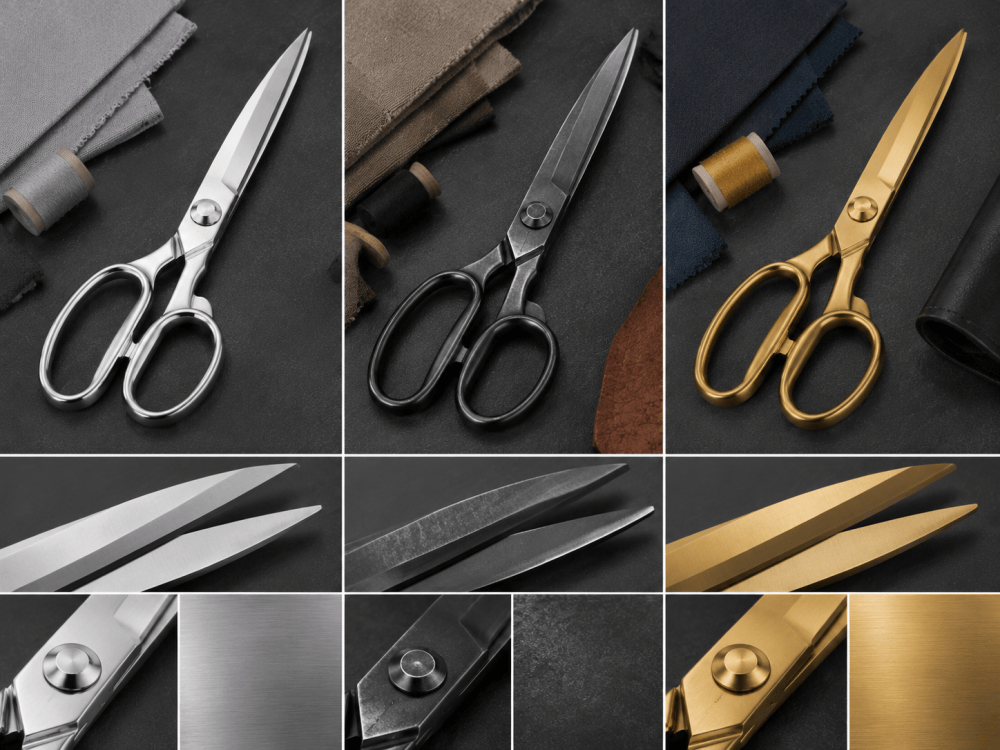
Stainless Steel vs Carbon Steel vs Titanium Scissors Comparison

Stainless Steel vs Carbon Steel vs Titanium Scissors: Quick Comparison

Feature Stainless Steel Carbon Steel Titanium
Sharpness Excellent Very High High
Hardness Medium-High High High
Rust Resistance Excellent Lower Excellent
Maintenance Easy Requires Care Easy
Best Application Kitchen, sewing, household scissors Professional cutting Premium lightweight scissors

What Are Scissors Made Of?

Most scissors are manufactured using metal alloys because blades need a combination of hardness, toughness, and corrosion resistance.

The blade material affects several important performance factors:

  • Cutting sharpness
  • Edge retention
  • Resistance to rust
  • Weight and comfort
  • Service life

Professional scissors manufacturers select different materials according to the intended application, such as kitchen scissors, sewing scissors, garden scissors, and industrial shears.

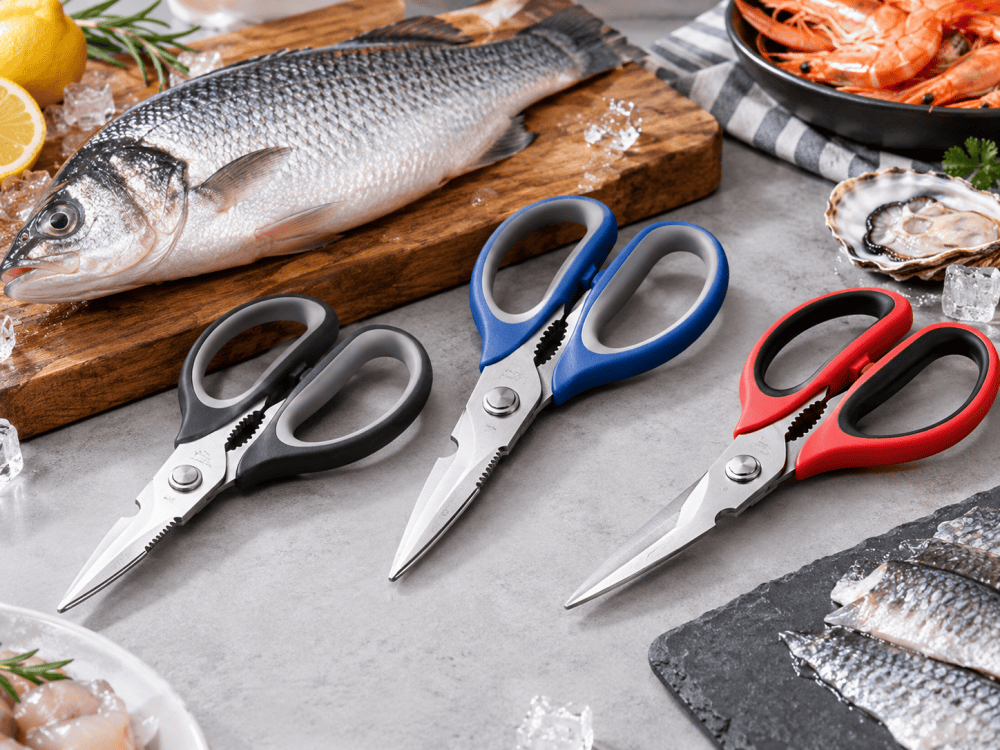
FASAKA provides different types of professional scissors, including:


1. Stainless Steel Scissors: The Most Popular Choice

Stainless steel is the most widely used material in modern scissors manufacturing. It contains chromium, which improves corrosion resistance and protects the blade from rust.

Because of its balance between performance, durability, and cost, stainless steel is commonly used for kitchen scissors, sewing scissors, household scissors, and general-purpose cutting tools.

Advantages of Stainless Steel Scissors

  • Excellent rust resistance
  • Easy cleaning and maintenance
  • Suitable for humid environments
  • Good durability
  • Cost-effective production

Disadvantages of Stainless Steel Scissors

  • Usually softer than carbon steel
  • May require sharpening after long-term use

For most everyday applications, stainless steel provides the best balance between reliability and convenience.


2. Carbon Steel Scissors: Maximum Sharpness and Strength

Carbon steel contains a higher percentage of carbon, which increases blade hardness and improves edge retention.

Professional users often choose carbon steel scissors because they can achieve extremely sharp cutting edges and maintain performance during intensive use.

Advantages of Carbon Steel Scissors

  • Excellent sharpness
  • Superior hardness
  • Long-lasting cutting edge
  • Suitable for professional applications

Disadvantages of Carbon Steel Scissors

  • Lower rust resistance
  • Requires more maintenance
  • Needs proper storage

Carbon steel scissors are ideal for professional tailors, industrial cutting, and users who prioritize cutting performance over maintenance convenience.


3. Titanium Scissors: Lightweight and Premium Performance

Titanium scissors are considered a premium option in the scissors industry. Titanium itself is a lightweight metal with excellent strength-to-weight ratio, making titanium scissors popular among users who want comfortable handling and long-term durability.

Unlike traditional steel scissors, titanium scissors are often made with titanium-coated blades or titanium alloy materials to improve hardness, corrosion resistance, and wear resistance.

Because of their lightweight design and premium performance, titanium scissors are commonly used in professional, medical, crafting, and high-end household applications.

Advantages of Titanium Scissors

  • Lightweight and comfortable to use
  • Excellent corrosion resistance
  • High durability
  • Good wear resistance
  • Modern premium appearance

Disadvantages of Titanium Scissors

  • Higher production cost
  • Usually more expensive than stainless steel scissors
  • Not always necessary for everyday cutting tasks

Titanium scissors are a good choice for users who value lightweight comfort, premium quality, and long-term performance.


Stainless Steel vs Carbon Steel vs Titanium: Detailed Comparison

Although all three materials can produce high-quality scissors, their characteristics are different. Understanding these differences helps buyers select the right scissors for their applications.

Factor Stainless Steel Carbon Steel Titanium
Hardness Medium to High Very High High
Sharpness Retention Good Excellent Very Good
Rust Resistance Excellent Needs Protection Excellent
Weight Medium Medium Lightweight
Maintenance Easy Higher Maintenance Easy
Price Level Affordable Medium Premium

Sharpness Comparison: Which Scissors Stay Sharp Longer?

Blade sharpness is one of the most important factors affecting scissors performance. Different materials provide different levels of edge retention.

Carbon Steel: Best Edge Retention

Carbon steel generally provides the strongest cutting edge because of its higher hardness. It can maintain sharpness for longer periods, especially during heavy professional use.

For applications such as tailoring, garment manufacturing, and industrial cutting, carbon steel scissors are often preferred.

Titanium: Excellent Wear Resistance

Titanium scissors provide excellent durability and wear resistance. Although they may not always exceed carbon steel in absolute sharpness, they maintain good performance with less weight.

Stainless Steel: Balanced Performance

Modern stainless steel scissors can achieve excellent sharpness through advanced heat treatment and precision grinding.

For everyday users, stainless steel provides more than enough cutting performance while offering easier maintenance.


Durability Comparison: Which Material Lasts Longer?

The lifespan of scissors depends not only on material but also on manufacturing quality, usage frequency, and maintenance.

Stainless Steel Durability

Stainless steel scissors can last for many years because they resist corrosion and require minimal maintenance.

They are ideal for:

  • Kitchen scissors
  • Household scissors
  • General sewing scissors

Carbon Steel Durability

Carbon steel scissors offer excellent mechanical durability and can withstand intensive cutting tasks.

However, they require proper care to prevent rust and surface oxidation.

Titanium Durability

Titanium scissors combine strength and lightweight performance, making them suitable for users who need comfortable operation over long periods.


Which Material Is Best for Different Types of Scissors?

Scissors Type Recommended Material Reason
Kitchen Scissors Stainless Steel Rust resistance and easy cleaning
Sewing Scissors Stainless Steel / Carbon Steel Depends on precision requirements
Professional Shears Carbon Steel Maximum sharpness and durability
Lightweight Household Scissors Titanium / Stainless Steel Comfortable and easy to use

How to Choose the Best Material for Scissors?

Choosing the best scissors material depends on your specific application, cutting frequency, budget, and performance expectations. There is no single material that is perfect for every type of scissors.

Before purchasing scissors, consider the following factors:

1. Consider the Intended Application

Different scissors require different material properties. A kitchen scissors needs corrosion resistance and easy cleaning, while professional sewing scissors require excellent sharpness and edge retention.

Application Recommended Material Why
Kitchen Scissors Stainless Steel Food-safe, rust-resistant, easy maintenance
Sewing Scissors Stainless Steel / Carbon Steel Balance between precision and durability
Professional Tailoring Shears Carbon Steel Superior sharpness and edge retention
Lightweight Household Scissors Titanium / Stainless Steel Comfortable handling

2. Consider Cutting Frequency

How often you use scissors directly affects the best material choice.

  • Occasional home use → Stainless steel scissors
  • Daily professional use → Carbon steel scissors
  • Long working hours → Titanium or lightweight stainless steel scissors
  • Industrial production → High-hardness professional scissors

3. Consider Maintenance Requirements

Maintenance is often overlooked, but it affects the long-term performance of scissors.

Material Maintenance Level Recommended Users
Stainless Steel Low Most users
Carbon Steel Medium to High Professional users
Titanium Low Premium users

Best Scissors Materials for Wholesale Buyers and Brands

For distributors, retailers, and private-label brands, choosing the right scissors material is an important part of product positioning.

Different markets have different expectations. Some customers prioritize affordability and reliability, while others look for premium performance and professional quality.

Stainless Steel Scissors: Best for Mass Market Products

Stainless steel scissors are the most popular choice for large-scale retail because they provide excellent performance at a competitive cost.

They are suitable for:

  • Kitchen scissors
  • Household scissors
  • Basic sewing scissors
  • Scissors sets

Carbon Steel Scissors: Best for Professional Markets

Carbon steel scissors are ideal for customers who require professional cutting performance.

They are commonly used in:

  • Tailoring industries
  • Garment factories
  • Professional workshops

Titanium Scissors: Best for Premium Positioning

Titanium scissors can be positioned as premium products due to their lightweight design, modern appearance, and enhanced durability.

They are suitable for brands targeting high-end consumers who value comfort and innovation.


Why Manufacturing Quality Matters More Than Material Alone

Although blade material is important, the final performance of scissors depends heavily on manufacturing technology.

Even the same material can produce completely different results depending on production quality.

Professional scissors manufacturing includes:

  • Material selection
  • Heat treatment
  • Precision blade grinding
  • Edge polishing
  • Blade alignment adjustment
  • Quality inspection

A reliable scissors manufacturer combines suitable materials with advanced production processes to ensure consistent cutting performance.

Explore Professional Scissors Manufacturer Services


Why Choose FASAKA Scissors Solutions?

FASAKA specializes in scissors manufacturing and provides customized solutions for global customers, including retailers, distributors, and private-label brands.

With experience in different scissors categories, FASAKA understands how to select suitable materials according to product positioning and market requirements.

FASAKA Advantages:

  • Professional scissors production experience
  • Multiple material options
  • OEM and ODM customization
  • Customized packaging solutions
  • Strict quality control
  • Global export experience

FASAKA offers various scissors categories, including:

Looking for Custom Scissors Manufacturing?

Contact FASAKA for OEM scissors, private label solutions, and professional cutting tools.

Contact FASAKA


Frequently Asked Questions About Scissors Materials

What is the best material for scissors?

The best material depends on the application. Stainless steel is the best overall choice for most users, carbon steel provides superior sharpness, and titanium offers lightweight premium performance.

Are stainless steel scissors better than carbon steel scissors?

Stainless steel scissors are easier to maintain and more resistant to rust, while carbon steel scissors usually provide better hardness and edge retention.

Are titanium scissors worth buying?

Titanium scissors are worth considering if you want lightweight comfort, premium durability, and long-term ease of use.

Which steel is commonly used for professional scissors?

Professional scissors often use high-quality carbon steel, stainless steel alloys, or specialized steel depending on the required cutting performance.

What material is best for kitchen scissors?

Stainless steel is generally the best material for kitchen scissors because it provides excellent corrosion resistance, durability, and easy cleaning.


Final Thoughts

When choosing the best materials for scissors, stainless steel, carbon steel, and titanium each have unique advantages.

Stainless steel is the most versatile and practical option for everyday scissors. Carbon steel delivers outstanding sharpness and professional cutting performance. Titanium provides lightweight comfort and premium durability.

For brands, distributors, and wholesalers, selecting the right material together with a reliable scissors manufacturer is essential for creating competitive products.

FASAKA provides customized scissors manufacturing solutions with different materials, designs, and applications to meet global market requirements.