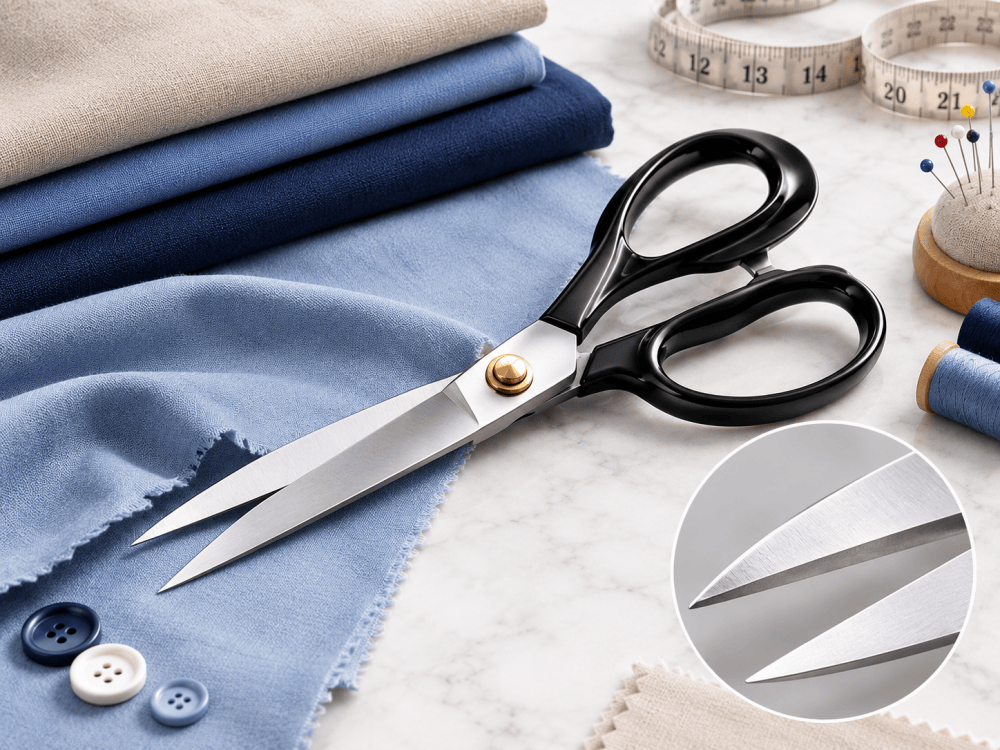



What Is 440C Steel? Is It Good for Scissors?
What Is 440C Steel? Is It Good for Scissors?
Published by FASAKA | Scissors Steel & Material Guide
When choosing scissors, the steel used for the blades has a major influence on cutting performance, durability, corrosion resistance, and maintenance requirements. Among the stainless steels used for cutting tools, 440C steel is often considered a high-hardness option for applications that require good wear resistance and edge retention.
But is 440C steel actually good for scissors? The answer depends on the type of scissors, the intended application, the heat treatment, and the balance between hardness, toughness, corrosion resistance, and manufacturing cost.
For importers, distributors, private-label brands, and professional tool buyers, understanding 440C stainless steel can help when comparing different blade materials and selecting the right steel specification for a scissors project.
In this guide, FASAKA explains what 440C steel is, its key properties, its advantages and disadvantages for scissors, how it compares with other common stainless steels, and when it may be a suitable choice for OEM and wholesale scissors.
440C stainless steel can be a good choice for scissors, particularly when high hardness, wear resistance, and edge retention are important. However, 440C is not automatically better than every other stainless steel. Proper heat treatment, blade grinding, edge geometry, and manufacturing quality are equally important to final scissors performance.
What Is 440C Steel?
440C is a high-carbon martensitic stainless steel commonly used in cutting tools, blades, bearings, and other applications where hardness and wear resistance are important.
It belongs to the 440 family of stainless steels, which includes 440A, 440B, and 440C. Among these grades, 440C generally contains the highest carbon content and is commonly selected when higher hardness and wear resistance are desired.
The typical chemical composition of 440C includes a relatively high level of carbon and chromium. Its chromium content provides good corrosion resistance compared with many carbon steels, while its carbon content allows the steel to achieve high hardness after appropriate heat treatment.
| Element | Typical Role |
|---|---|
| Carbon | Contributes to hardness and wear resistance |
| Chromium | Improves corrosion and oxidation resistance |
| Molybdenum | Supports hardenability and overall performance |
The exact performance of 440C scissors depends heavily on heat treatment and blade processing. Steel grade alone does not determine the final cutting performance of a pair of scissors.
Key Properties of 440C Stainless Steel
440C is commonly selected for cutting applications because it offers a useful combination of hardness, wear resistance, edge retention, and corrosion resistance.
1. High Hardness
One of the main advantages of 440C is its ability to achieve relatively high hardness after heat treatment. This is particularly useful for blades because a harder cutting edge can maintain its sharpness for longer under appropriate conditions.
For scissors, hardness can contribute to longer-lasting cutting performance, especially when the blades are repeatedly used on suitable materials.
2. Good Wear Resistance
440C contains enough carbon and chromium to provide good wear resistance. This makes it suitable for cutting tools that experience repeated contact between the blade edge and the material being cut.
For professional or frequently used scissors, wear resistance can be an important consideration because repeated cutting gradually affects the edge.
3. Good Edge Retention
Because 440C can achieve high hardness, it can provide good edge retention when properly heat treated and sharpened. This can reduce the frequency of sharpening compared with softer blade materials.
4. Corrosion Resistance
440C is a stainless steel and provides good corrosion resistance for many everyday applications. However, it should not be treated as completely rust-proof.
Exposure to moisture, salt, chemicals, or poor storage conditions can still cause staining or corrosion over time. Proper cleaning and drying remain important, especially for scissors used in humid environments.
5. Good Machinability After Appropriate Processing
Compared with some extremely hard specialty steels, 440C can be processed using established manufacturing methods. However, its relatively high hardness means that grinding, sharpening, and finishing must be carefully controlled.
Is 440C Steel Good for Scissors?
Yes, 440C steel can be a good choice for scissors. Its combination of high hardness, wear resistance, edge retention, and stainless-steel corrosion resistance makes it suitable for certain types of high-performance scissors.
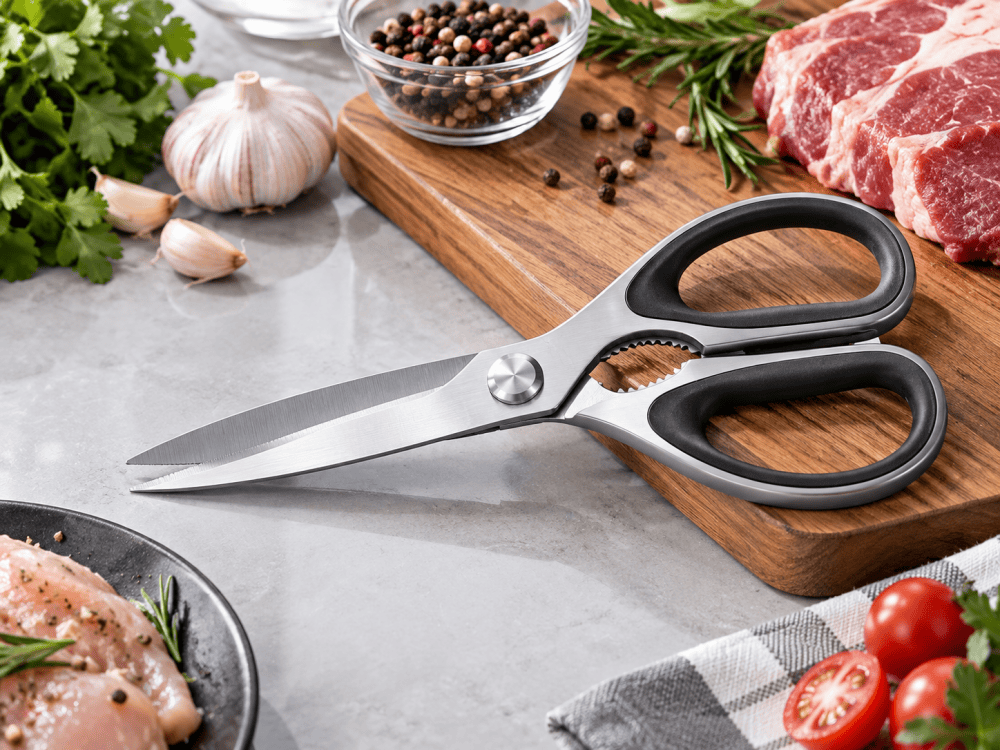
However, the best steel for scissors depends on the application. A pair of household scissors, professional hairdressing scissors, sewing scissors, kitchen scissors, and industrial cutting scissors may require different performance characteristics.
| Performance Factor | 440C Suitability |
|---|---|
| Hardness | Excellent |
| Wear Resistance | Very Good |
| Edge Retention | Very Good |
| Corrosion Resistance | Good |
| Toughness | Moderate |
| Sharpenability | Moderate |