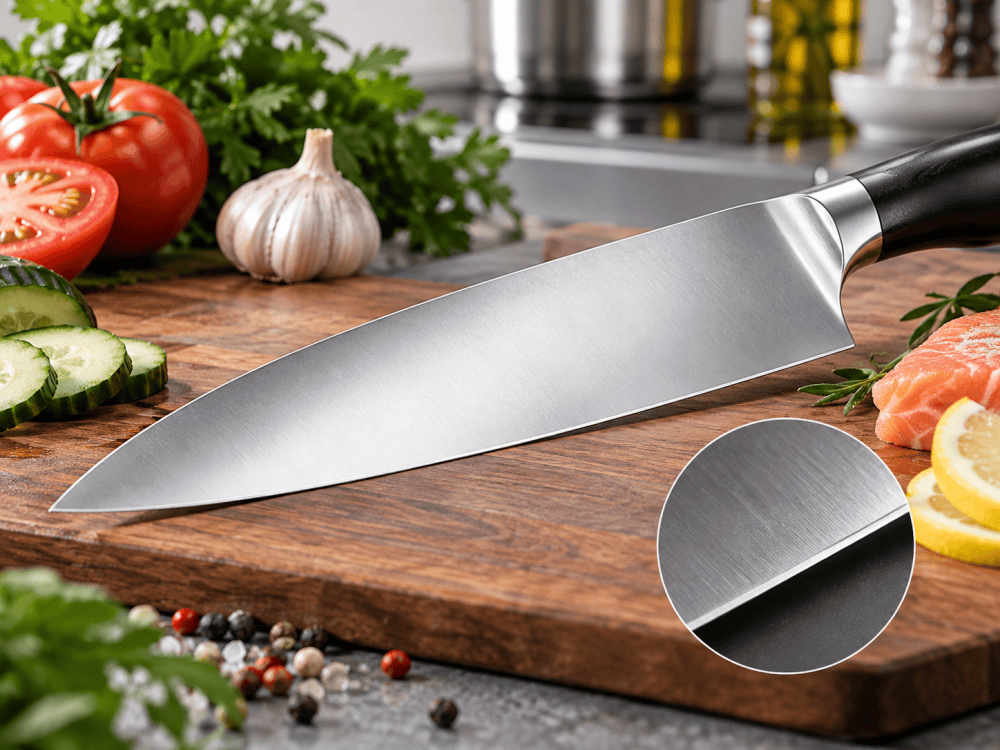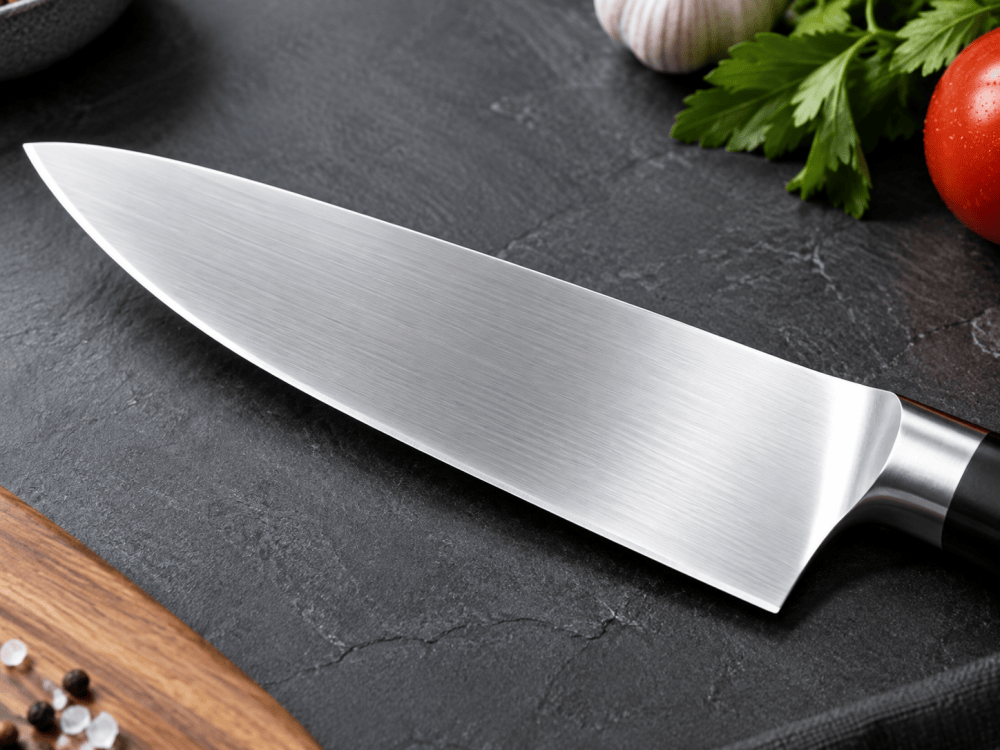



What Is a Bolster on a Knife? Complete Guide to Knife Bolsters, Types, Benefits & Performance
What Is a Bolster on a Knife? Complete Guide to Knife Bolsters, Types, Benefits & Performance
Published by FASAKA | Kitchen Knife Knowledge Center
When shopping for kitchen knives, you've probably heard terms like full tang, forged blade, and knife bolster. While most people focus on blade steel and sharpness, the bolster is actually one of the most important structural features of a high-quality kitchen knife.
So, what is a bolster on a knife? Why do some chef knives have a large metal section between the blade and handle while others don't? Does a bolster improve performance, balance, and safety?
In this complete guide, we'll explain everything you need to know about knife bolsters, including their purpose, advantages, disadvantages, and how they affect cutting performance. Whether you're buying a chef knife for home use or sourcing knives for your kitchenware brand, understanding bolster design can help you make a smarter decision.

Knife Anatomy Explained
Before discussing bolsters, it's important to understand the basic anatomy of a kitchen knife.
Most kitchen knives consist of the following parts:
- Tip – the front point of the blade.
- Edge – the sharpened cutting portion.
- Spine – the top unsharpened section.
- Heel – the rear cutting section near the handle.
- Tang – the portion of steel extending into the handle.
- Handle – the grip section.
- Bolster – the transition area between blade and handle.
While every component contributes to knife performance, the bolster plays a unique role in balancing strength, comfort, and safety.
Related Reading:
👉 Full Tang Kitchen Knives Guide
What Is a Bolster on a Knife?
A knife bolster is the thick section of metal located between the blade and the handle.
On many forged kitchen knives, the bolster is formed as part of the blade itself and appears as a raised metal collar connecting the blade to the handle.
In simple terms, the bolster acts as a structural bridge between the blade and handle while providing additional strength, balance, and protection for the user's hand.
Traditional European chef knives often feature prominent full bolsters, while many Japanese knives use partial bolsters or no bolster at all.
A typical bolster may:
- Add weight near the center of the knife.
- Improve overall balance.
- Increase durability.
- Protect fingers from slipping onto the blade.
- Provide a comfortable pinch grip.

What Does a Knife Bolster Do?
Many people assume a bolster is purely decorative, but it actually serves several functional purposes.
1. Improves Balance
One of the primary functions of a bolster is weight distribution.
A well-designed bolster shifts some weight toward the center of the knife, helping create a balanced feel during cutting.
This balance reduces fatigue and allows for greater control, especially during extended food preparation.
2. Enhances Structural Strength
The blade-to-handle junction experiences significant stress during use.
A forged bolster reinforces this critical area and helps reduce the risk of loosening, bending, or failure over time.
This is one reason many premium forged knives feature substantial bolsters.
3. Improves Safety
The bolster creates a physical barrier between the sharp blade and the handle.
When hands become wet or greasy, the bolster helps prevent fingers from accidentally sliding forward onto the cutting edge.
For professional chefs who spend hours using knives each day, this added safety can be valuable.
4. Supports a Professional Pinch Grip
Most chefs hold a knife using a pinch grip, placing the thumb and index finger near the blade.
A properly designed bolster provides a comfortable resting area for the fingers and improves control during precision cutting tasks.
Benefits of a Knife Bolster
The popularity of bolsters in premium kitchen knives comes from several key advantages.
| Benefit | Why It Matters |
|---|---|
| Balance | Makes the knife easier to control. |
| Safety | Protects fingers during use. |
| Strength | Reinforces blade-handle connection. |
| Comfort | Provides support for pinch grip users. |
| Premium Feel | Often associated with forged chef knives. |
These benefits explain why bolsters remain common on many Western-style chef knives despite changing knife design trends.
However, not all bolsters are the same. Some knives feature a full bolster, while others use a half bolster or no bolster at all.
Understanding the differences is essential before choosing your next kitchen knife.
Browse professional kitchen knife collections:
``` ```html id="knife-bolster-part2"Full Bolster vs Half Bolster
Not all knife bolsters are designed the same way. In modern kitchen knives, the two most common styles are full bolsters and half bolsters.
Understanding the differences can help you choose the right knife based on your cooking style and maintenance preferences.
What Is a Full Bolster?
A full bolster extends from the spine of the knife all the way down to the heel of the blade.
This design creates a thick metal barrier between the blade and the handle and is commonly found on traditional European chef knives.

Advantages of a full bolster:
- Maximum finger protection.
- Excellent weight distribution.
- Strong premium feel.
- Increased structural strength.
- Traditional chef knife appearance.
Potential drawbacks:
- Heavier overall weight.
- Can make sharpening more difficult.
- May reduce cutting clearance near the heel.
What Is a Half Bolster?
A half bolster only covers part of the blade-to-handle transition and does not extend completely to the edge.
This design has become increasingly popular among professional chefs because it offers many of the benefits of a bolster while improving sharpening access.
Advantages of a half bolster:
- Easier sharpening.
- Lighter weight.
- Better edge accessibility.
- Improved slicing efficiency.
- Modern professional appearance.
Potential drawbacks:
- Slightly less finger protection.
- Less weight concentrated near the center.
| Feature | Full Bolster | Half Bolster |
|---|---|---|
| Safety | Excellent | Very Good |
| Balance | Excellent | Good |
| Sharpening Ease | Moderate | Excellent |
| Weight | Heavier | Lighter |
Bolster vs No Bolster Knives
One of the biggest trends in the kitchen knife industry is the growing popularity of bolster-free knives.
Many Japanese knives, Santoku knives, and modern professional chef knives completely eliminate the bolster.
Without a bolster, manufacturers can create:
- Lighter knives.
- Better blade agility.
- Longer usable edge length.
- Easier sharpening throughout the knife's life.
- Cleaner modern designs.
However, bolster-free knives may not provide the same feeling of security and hand protection that many users appreciate in traditional Western knives.
The choice often comes down to personal preference and cutting style.
Who Should Choose a Bolster-Free Knife?
- Professional chefs.
- Users who sharpen frequently.
- Fans of Japanese knives.
- People who prefer lightweight blades.
Who Should Choose a Bolstered Knife?
- Home cooks.
- Users seeking maximum safety.
- People who prefer heavier knives.
- Fans of classic European chef knives.
Related Reading:
👉 Why Japanese Knives Are Harder Than Western Knives
Forged Knives vs Stamped Knives and Bolsters
Bolsters are closely connected to knife manufacturing methods.
Traditionally, forged knives are much more likely to include a bolster than stamped knives.
This is because forged knives are made from a single piece of steel that is heated and shaped under pressure, allowing the bolster to be integrated into the blade structure.
Forged Knives
- Usually include a bolster.
- Heavier construction.
- Superior balance.
- Premium appearance.
- Higher manufacturing cost.
Stamped Knives
- Often no bolster.
- Lighter weight.
- Lower production cost.
- Easier to manufacture.
- Popular for commercial kitchens.
Modern manufacturing techniques have blurred these distinctions somewhat, but bolsters are still commonly associated with premium forged kitchen knives.
Related Reading:
👉 Forged vs Stamped Kitchen Knives
How a Bolster Affects Knife Balance
Balance is one of the most overlooked aspects of knife performance.
Many chefs consider the balance point more important than the overall weight of a knife.
A bolster helps move the center of gravity closer to the user's hand.
Benefits include:
- Better control.
- Reduced wrist fatigue.
- Smoother rocking cuts.
- More confidence during precision work.
For large chef knives ranging from 8 to 10 inches, a bolster can significantly improve handling characteristics.
How a Bolster Improves Safety
Safety is another reason many knife manufacturers continue to use bolsters.
The bolster creates a natural stopping point for the hand, reducing the risk of accidental slips toward the cutting edge.
This becomes especially important when:
- Preparing large volumes of food.
- Working with wet ingredients.
- Using oily cutting boards.
- Performing rapid repetitive cuts.
For beginners, a bolster often provides an added sense of confidence while learning proper knife techniques.
``` ```html id="knife-bolster-part3"How a Bolster Affects Sharpening
One of the biggest debates surrounding knife bolsters involves sharpening.
While a bolster provides balance and safety benefits, a large full bolster can sometimes create sharpening challenges over the life of a knife.
The Sharpening Issue with Full Bolsters
Every time a knife is sharpened, a small amount of steel is removed from the cutting edge.
After years of sharpening, the edge gradually recedes upward. If the bolster extends fully to the edge, the heel section near the bolster may become difficult to sharpen evenly.
This can create:
- Uneven cutting performance.
- A "dead spot" near the heel.
- Reduced contact with cutting boards.
- More difficult professional sharpening.
Why Half Bolsters Are Becoming Popular
Many modern knife manufacturers have moved toward half bolster designs because they maintain much of the balance and safety benefits while allowing the entire edge to remain accessible for sharpening.
This is one reason many professional chefs prefer half-bolster or bolster-free knives today.
Related Reading:
👉 What Is a Chef Knife Used For?
Which Kitchen Knives Usually Have Bolsters?
Not every kitchen knife includes a bolster.
Certain knife styles are much more likely to feature one.
| Knife Type | Usually Has Bolster? |
|---|---|
| Western Chef Knife | Yes |
| Forged Chef Knife | Yes |
| Santoku Knife | Sometimes |
| Nakiri Knife | Rarely |
| Utility Knife | Sometimes |
| Paring Knife | Rarely |
| Japanese Gyuto | Usually No |
| Commercial Kitchen Knife | Usually No |
In general, Western-style forged knives tend to use bolsters more frequently than Japanese-style knives.
Are Bolsters Necessary on Kitchen Knives?
The simple answer is no.
A knife can perform exceptionally well without a bolster.
Many of the world's most respected Japanese kitchen knives have little or no bolster and are favored by professional chefs.
However, a bolster can still offer meaningful benefits depending on your preferences.
Choose a knife with a bolster if you:
- Prefer a balanced, substantial feel.
- Want additional finger protection.
- Like traditional European knife designs.
- Use a classic pinch grip.
Choose a knife without a bolster if you:
- Prefer lightweight knives.
- Sharpen your knives frequently.
- Favor Japanese knife styles.
- Want maximum cutting-edge length.
Ultimately, bolster preference is highly personal and depends on cooking style, comfort, and maintenance habits.
Frequently Asked Questions
What is a bolster on a knife?
A bolster is the thick section of metal located between the blade and handle that improves balance, strength, and safety.
What does a knife bolster do?
A bolster helps distribute weight, strengthens the blade-to-handle connection, protects fingers, and improves handling.
Is a bolster necessary?
No. Many excellent kitchen knives do not use a bolster. Whether a bolster is beneficial depends on personal preference and intended use.
What is the difference between a full bolster and a half bolster?
A full bolster extends to the blade edge, while a half bolster only covers part of the transition area. Half bolsters are generally easier to sharpen.
Do Japanese knives have bolsters?
Many Japanese knives either have minimal bolsters or no bolsters at all, prioritizing lighter weight and improved agility.
Does a bolster improve knife balance?
Yes. A bolster adds weight near the center of the knife, helping improve overall balance and control.
Can a bolster make sharpening harder?
Large full bolsters can sometimes interfere with sharpening near the heel after years of edge maintenance.
Are forged knives better because they have bolsters?
Not necessarily. While forged knives often feature bolsters, overall knife performance depends on steel quality, heat treatment, blade geometry, and manufacturing precision.
Related Kitchen Knife Resources
- Full Tang Kitchen Knives Guide
- Forged vs Stamped Kitchen Knives
- What Is a Chef Knife Used For?
- Kitchen Knife Hardness Guide
- Why Japanese Knives Are Harder Than Western Knives
- How Heat Treatment Affects Knife Performance
OEM Kitchen Knife Manufacturing from FASAKA
FASAKA specializes in manufacturing premium kitchen knives for brands, wholesalers, distributors, retailers, and importers around the world.
Our OEM and ODM services include:
- Chef Knives
- Santoku Knives
- Forged Kitchen Knives
- Full Tang Knife Collections
- Wood Handle Knife Sets
- Custom Logo Branding
- Private Label Packaging
- OEM Product Development
- ODM Kitchenware Solutions
Explore our manufacturing capabilities:
👉 OEM & ODM Kitchenware Manufacturing
Browse our kitchen knife collection:
Final Thoughts
A knife bolster may seem like a small design feature, but it has a significant impact on balance, comfort, safety, durability, and overall user experience. Understanding the difference between full bolsters, half bolsters, and bolster-free designs can help you choose the right kitchen knife for your needs.
Whether you prefer a traditional forged chef knife with a substantial full bolster or a modern Japanese-style knife without one, the best choice ultimately depends on how you cook, how you maintain your knives, and what feels most comfortable in your hand.
Looking for Custom Kitchen Knife Manufacturing?
FASAKA provides professional OEM and ODM kitchen knife manufacturing services for global brands, distributors, wholesalers, and retailers. From forged chef knives to full tang knife collections, our experienced team can help you develop premium products for your target market.