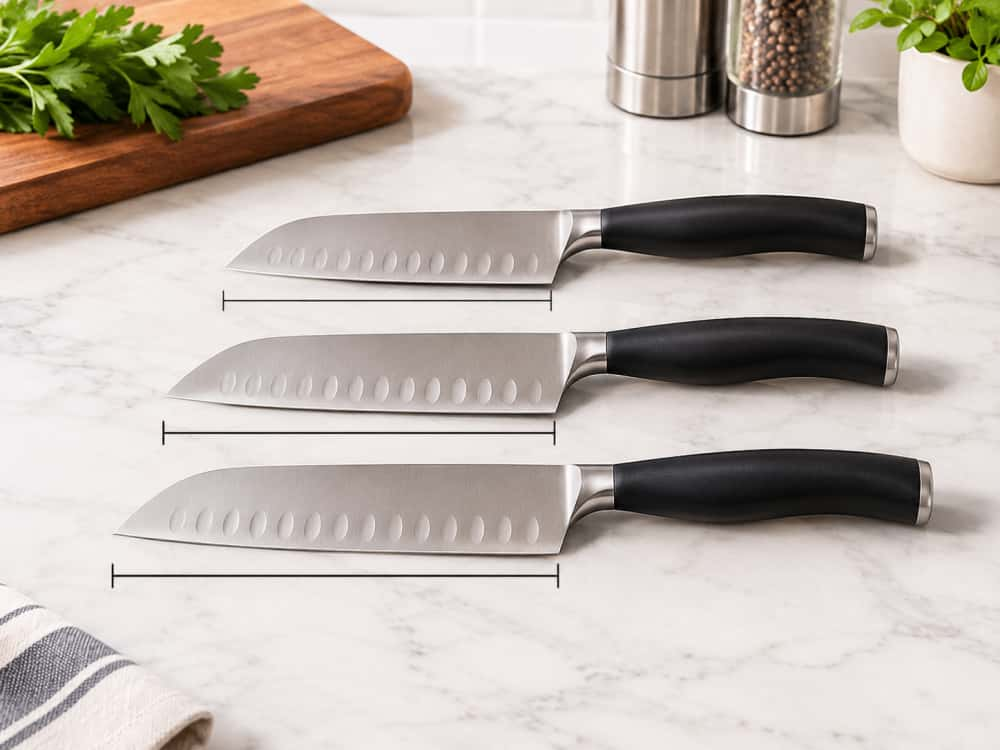




Types of Kitchen Knives and Their Uses: A Complete Guide
Different types of kitchen knives are designed for different food preparation tasks. From versatile chef knives and Santoku knives to specialized Japanese blades such as Nakiri and Yanagiba, understanding their shapes and uses can help you choose the right knife for your kitchen.
A practical guide to kitchen knife styles, blade designs, everyday uses, and buying considerations.
A kitchen knife is one of the most frequently used tools in food preparation. However, not every knife is designed to perform the same job. Blade length, shape, edge design, weight, and handle construction all influence how a knife performs.
Some knives are suitable for a wide range of everyday tasks, while others are designed for specific ingredients or cutting techniques. Whether you are equipping a home kitchen, selecting tools for a professional kitchen, or comparing products for a retail collection, knowing the different types of kitchen knives and their uses makes product selection easier.
Quick Answer: What Are the Main Types of Kitchen Knives?
The most common types of kitchen knives include chef knives, Santoku knives, paring knives, utility knives, bread knives, boning knives, fillet knives, cleavers, carving knives, and steak knives.
A chef knife is used for general chopping and slicing, a paring knife for peeling and detailed work, a bread knife for cutting crusty bread, a boning knife for separating meat from bones, and a fillet knife for preparing fish. Japanese kitchen knives such as Gyuto, Nakiri, Deba, and Yanagiba are designed for particular cutting styles and food preparation tasks.
How Many Types of Kitchen Knives Are There?
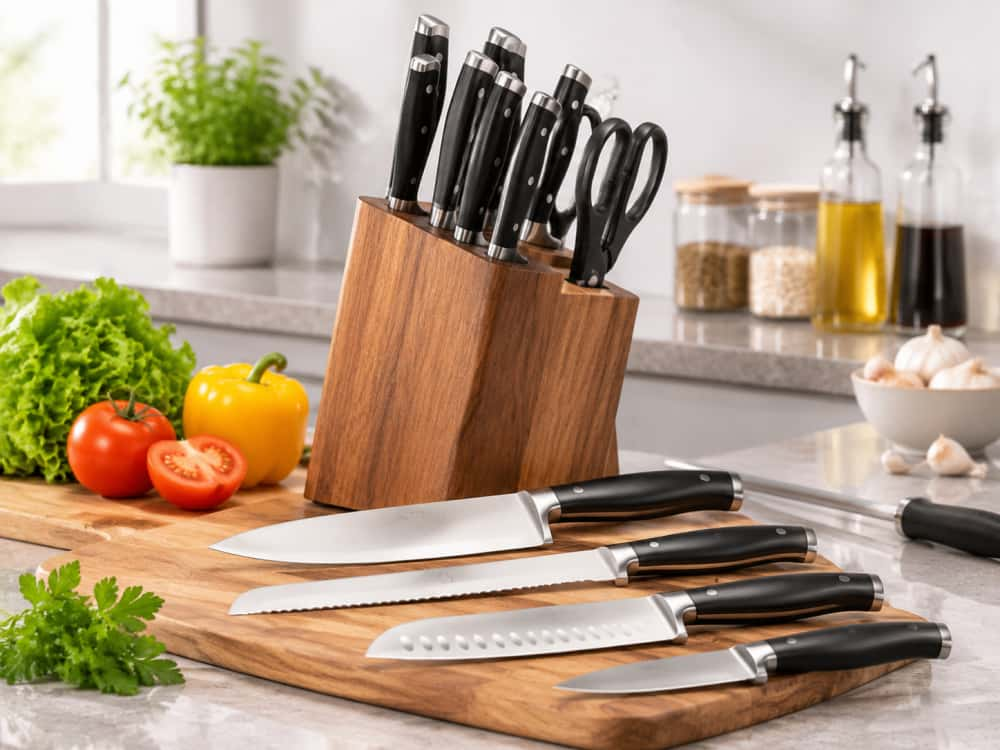
There are many types of kitchen knives, ranging from general-purpose knives to specialized tools for meat, fish, bread, and vegetables. The exact number depends on how knife styles and regional designs are classified.
For everyday kitchens, the most useful categories can be grouped into three broad groups:
- General-purpose knives: Chef knives, Santoku knives, and utility knives.
- Special-purpose knives: Paring knives, bread knives, boning knives, fillet knives, carving knives, and steak knives.
- Traditional and regional knives: Japanese knives such as Gyuto, Nakiri, Deba, Yanagiba, and Usuba.
The following sections explain the most common kitchen knife types, their blade characteristics, and the tasks they are best suited for.
10 Common Types of Kitchen Knives and Their Uses
1. Chef Knife
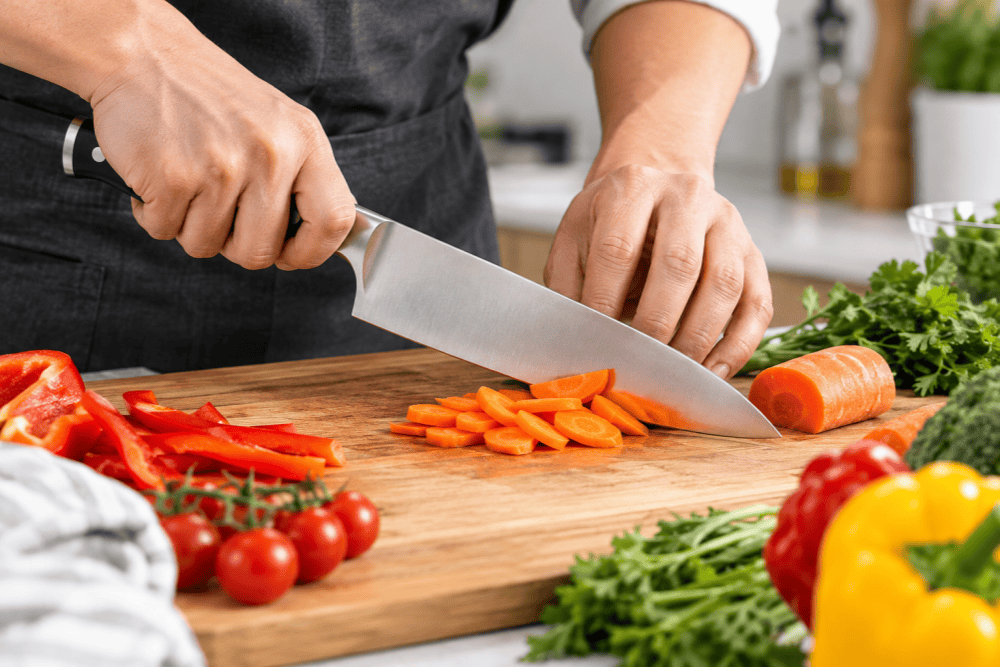
A chef knife is a versatile, general-purpose kitchen knife with a broad blade and a curved cutting edge. It is commonly used for chopping, slicing, dicing, and mincing a wide range of ingredients.
Its curved blade profile allows many users to make rocking cuts, while the broad blade can also help transfer chopped ingredients from a cutting board.
Best choice for: People who want one versatile knife for most everyday kitchen tasks.
2. Santoku Knife
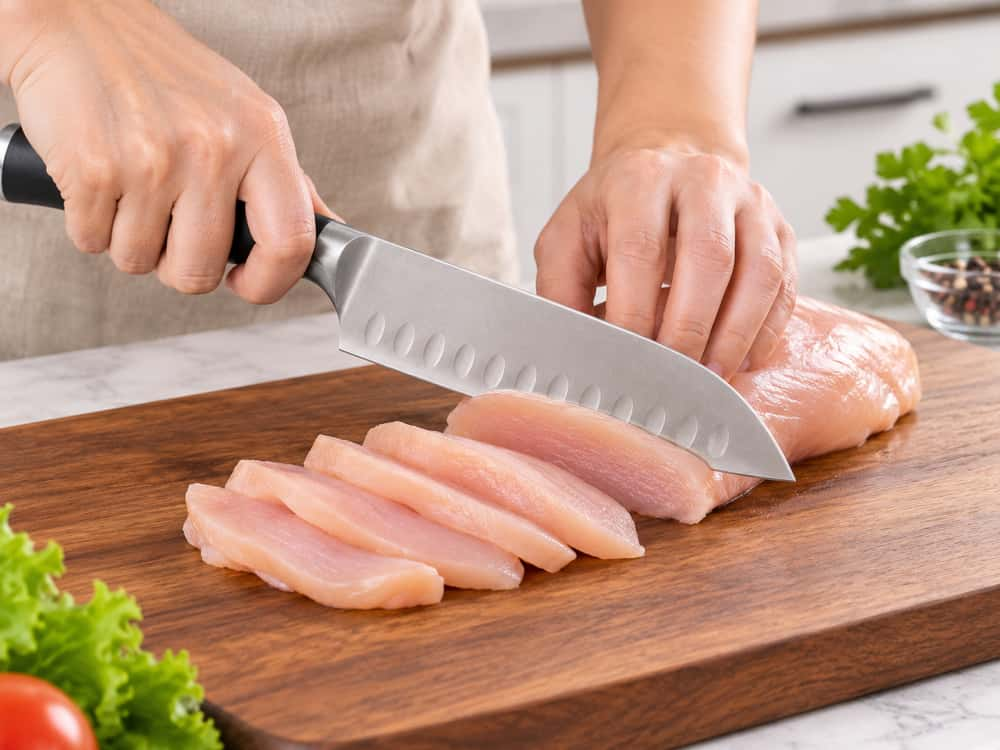
A Santoku knife is a Japanese-style multipurpose kitchen knife. The name is commonly translated as "three virtues," referring to its suitability for preparing meat, fish, and vegetables.
Santoku knives typically have a shorter blade and a flatter cutting profile than many Western chef knives. They are often used with up-and-down or push-cutting motions rather than a pronounced rocking motion.
Best choice for: Users who prefer a versatile Japanese-style knife for daily food preparation.
3. Paring Knife
A paring knife is a small kitchen knife with a short blade, usually designed for precision work. Its compact size makes it easier to control when handling small ingredients or working close to the hand.
Common uses include peeling apples, trimming vegetables, removing seeds, deveining shrimp, and making small decorative cuts.
Best choice for: Small, controlled cutting tasks that are difficult to perform with a large knife.
4. Utility Knife
A utility knife is a medium-sized kitchen knife positioned between a chef knife and a paring knife in terms of size. It is useful for tasks that require more blade length than a paring knife but more control than a full-sized chef knife.
It can be used for slicing sandwiches, cutting small fruits and vegetables, trimming meat, and preparing ingredients.
Best choice for: Users who want a practical middle-sized knife for everyday tasks.
5. Bread Knife
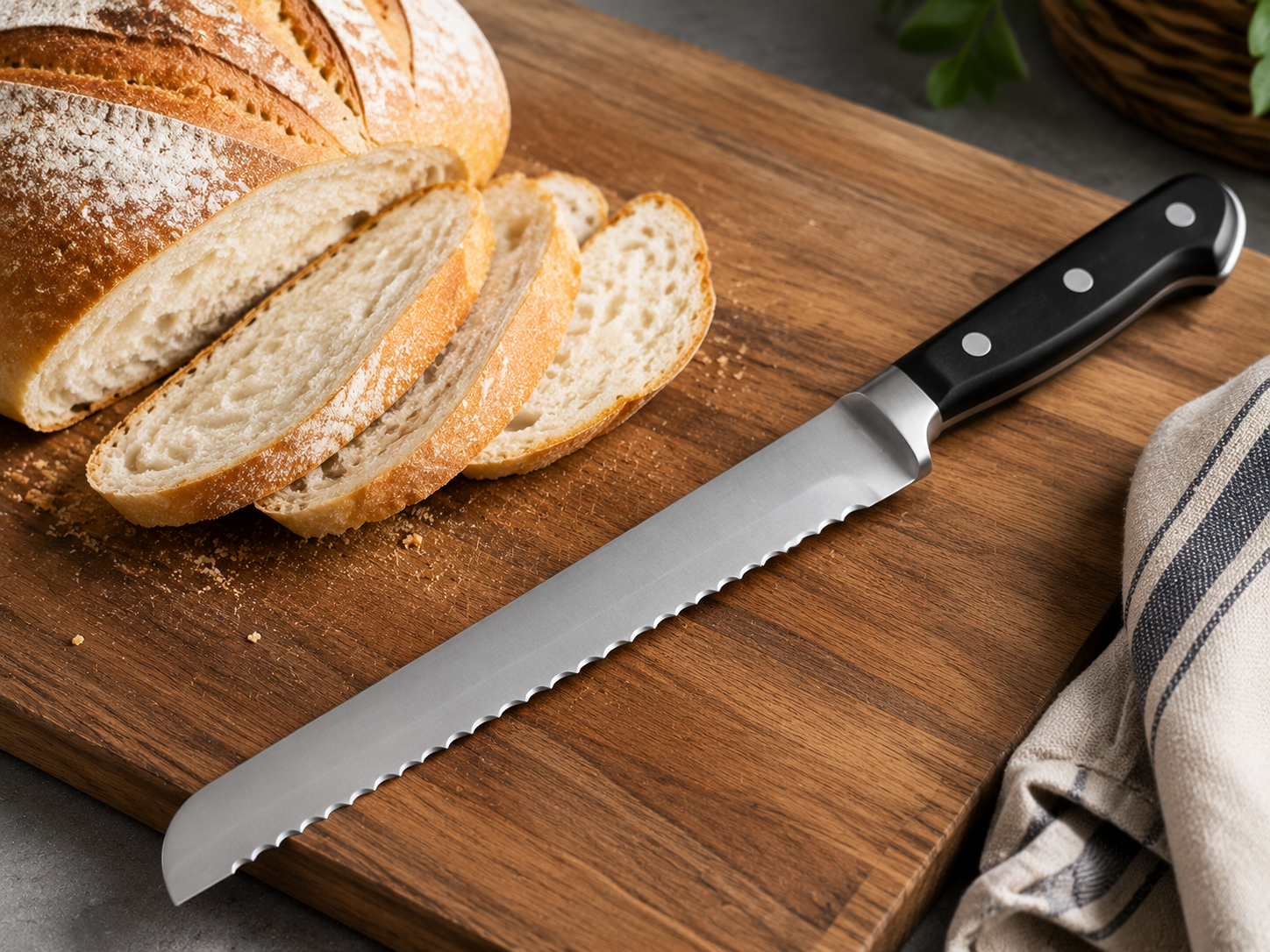
A bread knife features a long blade with a serrated edge. Its saw-like teeth help cut through hard crusts while reducing pressure on the soft interior of bread.
Besides bread, a serrated knife can also be useful for slicing certain soft-skinned foods with delicate interiors, such as ripe tomatoes.
Best choice for: Cutting crusty bread without crushing the soft center.
6. Boning Knife
A boning knife is designed to separate meat from bones. It usually has a narrow blade that allows controlled cuts around joints, bones, and connective tissue.
Boning knives are available in different blade profiles. Some have relatively stiff blades for controlled work around larger cuts, while more flexible versions can help follow the contours of certain cuts of meat.
Best choice for: Trimming meat and working around bones and joints.
7. Fillet Knife
A fillet knife is designed for preparing fish, especially when separating flesh from bones and skin. It usually features a long, narrow, and flexible blade that can follow the natural shape of a fish.
Although boning knives and fillet knives have some overlapping uses, fillet knives are generally more specialized for delicate fish preparation.
Best choice for: Preparing fish with controlled cuts along the bones and skin.
8. Cleaver
A cleaver is a broad, heavy kitchen knife with a large rectangular blade. Different cleaver designs serve different purposes. Some are intended for chopping through smaller bones and dense ingredients, while lighter Chinese-style vegetable cleavers are used for slicing and chopping vegetables.
It is important to distinguish a heavy meat cleaver from a thinner vegetable cleaver because their blade thickness, weight, and intended cutting techniques can differ considerably.
Best choice for: Users who need a broad blade for specific chopping or food preparation tasks.
9. Carving Knife
A carving knife has a long, relatively narrow blade designed to cut thin, even slices from cooked meat. Its length helps create smooth slicing strokes across roasts, poultry, and other large cooked cuts.
Best choice for: Serving evenly cut slices of roasted meat.
10. Steak Knife
A steak knife is a table knife designed for cutting cooked meat while dining. It commonly has a sharp straight or serrated edge and a comfortable handle for use at the table.
Straight-edge steak knives provide a clean cutting edge, while serrated versions use small teeth to help cut through meat surfaces.
Best choice for: Dining sets and table service where a dedicated meat knife is needed.
Different Types of Kitchen Knives: Quick Comparison
The table below summarizes common kitchen knife types, their main functions, and the ingredients they are typically used for.
| Knife Type | Main Use | Typical Ingredients |
|---|---|---|
| Chef Knife | General chopping and slicing | Vegetables, meat, herbs, fish |
| Santoku Knife | Everyday multipurpose cutting | Meat, fish, vegetables |
| Paring Knife | Peeling and precision work | Fruits and small vegetables |
| Utility Knife | Medium-sized cutting tasks | Fruit, vegetables, sandwiches |
| Bread Knife | Slicing crusty foods | Bread and some soft-skinned produce |
| Boning Knife | Separating meat from bones | Poultry, beef, pork |
| Fillet Knife | Filleting and skinning | Fish and seafood |
| Cleaver | Chopping and food preparation | Meat or vegetables, depending on design |
| Carving Knife | Slicing cooked meat | Roasts, turkey, ham |
| Steak Knife | Table-side meat cutting | Steak and cooked meat |
Types of Japanese Kitchen Knives and Their Uses
Japanese kitchen knives are known for their diverse blade profiles and specialized cutting applications. Some are designed for everyday cooking, while others are traditionally associated with particular ingredients or preparation techniques.
The following are several well-known types of Japanese kitchen knives. Their designs can vary by maker and regional tradition, but each has a recognizable purpose.
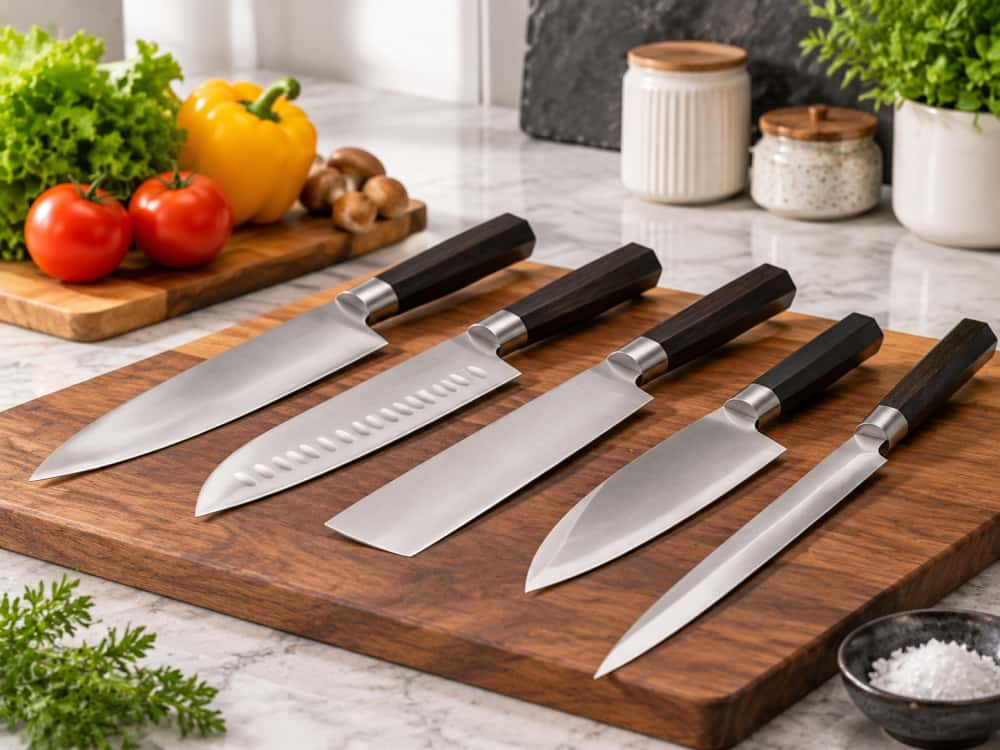
Japanese Kitchen Knives: Key Differences
| Japanese Knife | Main Purpose | Typical Ingredients |
|---|---|---|
| Gyuto | General-purpose cutting | Meat, fish, vegetables |
| Santoku | Everyday slicing and chopping | Meat, fish, vegetables |
| Nakiri | Vegetable preparation | Leafy greens and root vegetables |
| Deba | Preparing whole fish | Fish and seafood |
| Yanagiba | Long, precise slicing | Boneless fish and sashimi |
| Usuba | Precision vegetable cutting | Vegetables and decorative cuts |
| Petty | Small, detailed cutting tasks | Fruits, herbs, and small vegetables |
| Sujihiki | Precision slicing | Boneless meat and fish |
1. Gyuto Knife
The Gyuto is a Japanese-style chef knife designed for versatile food preparation. Its blade is generally longer than a Santoku and often has a pointed tip and a curved edge. It can be used for slicing, chopping, and dicing meat, fish, and vegetables.
Main use: General-purpose kitchen preparation.
2. Nakiri Knife
A Nakiri is a Japanese vegetable knife with a distinctive rectangular blade and a relatively flat cutting edge. It is designed for efficient vegetable preparation, including chopping, slicing, and making straight downward cuts.
Unlike a heavy meat cleaver, a traditional Nakiri is generally intended for vegetables rather than chopping through bones.
Main use: Slicing and chopping vegetables.
3. Deba Knife
A Deba is a traditional Japanese knife commonly used for preparing whole fish. It has a thick, sturdy blade that helps with tasks such as removing fish heads and cutting through smaller fish bones, depending on the knife and technique.
Main use: Fish preparation and portioning.
4. Yanagiba Knife
A Yanagiba is a long, narrow Japanese slicing knife traditionally associated with preparing sashimi. Its long blade supports smooth, continuous slicing motions that can produce clean cuts through boneless fish.
Main use: Slicing boneless fish and preparing sashimi.
5. Usuba Knife
An Usuba is a traditional Japanese vegetable knife used for precise vegetable preparation. It is commonly associated with professional techniques such as thin slicing and decorative vegetable cuts.
Main use: Detailed and precise vegetable cutting.
6. Petty Knife
A Petty knife is a small Japanese utility knife used for detailed kitchen work. It is suitable for peeling, trimming, slicing small fruits, and preparing herbs or vegetables.
Main use: Small ingredient preparation and precision cutting.
7. Sujihiki Knife
A Sujihiki is a long, narrow slicing knife designed for making smooth cuts through boneless meat and fish. Its blade shape helps reduce the need for repeated sawing motions when slicing larger portions.
Main use: Slicing boneless meat and fish.
How to Choose the Right Kitchen Knife
Choosing the right knife depends on your cooking habits, the ingredients you prepare, and the level of precision required. Instead of buying every available knife type, start with the tools that match your most frequent kitchen tasks.
1. Consider Your Main Cooking Tasks
- Everyday cooking: A chef knife or Santoku knife is a practical starting point.
- Peeling and trimming: A paring knife provides better control for small tasks.
- Bread preparation: A serrated bread knife helps cut through crusty loaves.
- Meat preparation: A boning knife is useful for separating meat from bones.
- Fish preparation: A fillet knife or a specialized Japanese fish knife may be suitable.
- Vegetable preparation: A Nakiri or chef knife can handle many chopping and slicing tasks.
2. Choose a Suitable Blade Material
Blade material influences a knife's edge retention, corrosion resistance, sharpening requirements, and overall performance. Stainless steel is widely used in kitchen knives because it offers practical corrosion resistance and is available in many grades and hardness levels.
The best material depends on the intended application, product positioning, maintenance expectations, and manufacturing specifications. Buyers should compare the actual steel grade and product construction rather than relying on broad labels such as "stainless steel" alone.
3. Check the Handle Design and Comfort
The handle affects grip, comfort, control, and the overall balance of a kitchen knife. Common handle materials include wood, plastic, and stainless steel. The right option depends on the intended use, design preference, maintenance requirements, and target price range.
4. Consider Knife Weight and Balance
A knife should feel comfortable and controllable during use. Some users prefer a heavier knife, while others prefer a lighter design. Balance depends on the complete knife construction, including the blade, handle, tang, and other components.
5. Match the Knife to Your Skill Level
A versatile chef knife or Santoku is often a practical choice for everyday users. Specialized knives can offer advantages for particular techniques, but they may require more experience and specific handling skills.
Which Kitchen Knife Is Best for Different Cooking Tasks?
- For everyday cooking: Chef knife or Santoku knife.
- For peeling fruit: Paring knife.
- For slicing bread: Serrated bread knife.
- For preparing whole fish: Deba knife.
- For slicing boneless fish: Yanagiba or fillet knife, depending on the preparation style.
- For chopping vegetables: Nakiri or chef knife.
- For removing meat from bones: Boning knife.
What Kitchen Knives Should Be Included in a Knife Set?
A practical kitchen knife set should cover the most common food preparation tasks without including unnecessary specialty tools. The ideal combination depends on the intended users and product positioning.
For a basic household knife set, the following combination is a useful starting point:
- Chef knife: The main multipurpose knife for everyday cooking.
- Paring knife: For peeling, trimming, and small cutting tasks.
- Bread knife: For slicing bread and other foods with firm exteriors.
- Utility knife: For medium-sized ingredients and general cutting.
- Kitchen scissors: A useful additional tool for packaging, herbs, and selected food preparation tasks.
More comprehensive collections may include Santoku knives, steak knives, carving knives, or specialized knives for meat and fish preparation. When selecting a knife set, consider the target customer, intended use, storage options, and retail price range.
What Should Wholesale Buyers Consider When Selecting Kitchen Knives?
For importers, distributors, retailers, and private-label brands, selecting kitchen knives involves more than comparing blade shapes. Product assortment, material specifications, handle construction, packaging, target retail price, and customer preferences all influence purchasing decisions.
Build a Product Range for Different Customers
A basic household collection may focus on chef knives, paring knives, and bread knives. A more comprehensive range may include Santoku knives, steak knives, boning knives, and specialized Japanese-style knife designs.
Compare Product Specifications
Wholesale buyers should review blade material, blade dimensions, handle materials, construction, finish, packaging, and product testing requirements. Specifications should be matched to the intended market and application.
Consider OEM and Private Label Requirements
For brands developing their own kitchen knife collections, OEM and private-label options can help align product design, branding, and packaging with their market positioning. Buyers should discuss available customization options and production requirements with the manufacturer before confirming an order.
FASAKA, a brand under DKS Enterprises Co., Ltd., offers kitchen knife and kitchenware solutions for global business customers. Buyers can explore the FASAKA kitchen knives collection or learn more about OEM and ODM kitchenware services.
How to Maintain Different Types of Kitchen Knives
Proper maintenance helps keep kitchen knives in good working condition and supports long-term performance. Care requirements may vary depending on blade material, handle construction, and the manufacturer's instructions.
- Clean after use: Wash knives according to the manufacturer's care instructions and dry them thoroughly.
- Use a suitable cutting board: Wood and suitable plastic boards are common choices for everyday knife use.
- Store safely: Use a knife block, protective sheath, drawer insert, or suitable storage system to protect the edge.
- Maintain the edge: Sharpen or hone knives as appropriate for their edge design and intended use.
- Avoid unsuitable tasks: Do not use ordinary kitchen knives to cut through materials or bones beyond their intended design.
Frequently Asked Questions About Kitchen Knife Types
1. What are the most common types of kitchen knives?
The most common kitchen knife types include chef knives, Santoku knives, paring knives, utility knives, bread knives, boning knives, fillet knives, cleavers, carving knives, and steak knives. Each is designed for different food preparation tasks.
2. What is the most versatile type of kitchen knife?
A chef knife is one of the most versatile kitchen knives because it can handle chopping, slicing, dicing, and mincing. A Santoku knife is another versatile option for everyday food preparation, particularly for users who prefer a flatter blade profile.
3. What is the difference between a chef knife and a Santoku knife?
A Western chef knife often has a more curved cutting edge that supports rocking cuts. A Santoku usually has a flatter edge profile and a shorter blade, making it suitable for slicing, chopping, and dicing. Both can be used for general food preparation.
4. What is the difference between Western and Japanese kitchen knives?
Western and Japanese kitchen knives include different blade profiles, edge geometries, and traditional cutting styles. Many Western chef knives have a curved edge that supports rocking cuts, while some Japanese knives have flatter profiles designed for precise slicing and push-cutting techniques. The differences depend on the specific knife design.
5. What is the difference between a Nakiri and a Santoku knife?
A Nakiri is primarily designed for vegetable preparation and usually has a rectangular blade with a relatively flat cutting edge. A Santoku is a more versatile Japanese-style knife used for preparing vegetables, meat, and fish.
6. Which kitchen knife is best for cutting vegetables?
A chef knife, Santoku knife, or Nakiri knife can all be used for cutting vegetables. A Nakiri is specifically designed for vegetable preparation, while chef knives and Santoku knives offer greater versatility for other kitchen tasks.
7. What is the difference between a boning knife and a fillet knife?
A boning knife is mainly used to separate meat from bones and is available in different levels of blade stiffness. A fillet knife is generally more flexible and specialized for separating fish flesh from bones and skin.
8. What kitchen knives should a beginner buy first?
A chef knife or Santoku knife, a paring knife, and a bread knife provide a practical starting combination for many home kitchens. Additional knives can be selected according to cooking habits and the ingredients being prepared.
9. Do professional chefs use different types of kitchen knives?
Yes. Professional chefs often select different knives according to their cooking style, ingredients, and preparation techniques. Common choices include chef knives, paring knives, boning knives, fillet knives, bread knives, and specialized Japanese knives.
10. What should buyers look for when purchasing kitchen knives wholesale?
Wholesale buyers should consider blade material, product construction, handle design, intended application, quality requirements, packaging, target price, and available customization options. The product range should match the needs of the target market.
Looking for Kitchen Knives for Your Business?
FASAKA supports global buyers looking for kitchen knives and kitchenware solutions. Explore our product range and contact our team to discuss product specifications, wholesale requirements, and OEM or private-label projects.
Explore Kitchen Knives OEM & ODM Services Contact FASAKA