
2026-06-26

BBQ Thermometer Guide: Best Meat Temperature for Grilling Every Type of Meat

BBQ Thermometer Guide: Best Meat Temperature for Grilling Every Type of Meat

Whether you're grilling juicy steaks, smoking brisket, roasting chicken, or cooking burgers over charcoal, one factor determines success more than any seasoning or grilling technique:

The internal temperature of the meat.

Many home grillers still rely on cooking time, color, or simply cutting into the meat to check doneness. Unfortunately, these methods are often inaccurate and can lead to undercooked food, dry meat, or unnecessary food waste.

A quality BBQ thermometer eliminates the guesswork. It tells you exactly when your food has reached the ideal internal temperature, ensuring every bite is both safe and delicious.

In this complete grilling thermometer guide, you'll learn:

  • Why every griller needs a BBQ thermometer
  • The best meat temperature for grilling every type of meat
  • Different types of grilling thermometers
  • Common temperature mistakes to avoid
  • How to choose the best thermometer for outdoor cooking
Using a BBQ thermometer while grilling meat

Why Temperature Matters More Than Time

One of the biggest misconceptions in grilling is that food is ready after a certain amount of time.

In reality, cooking time depends on many variables:

  • Thickness of the meat
  • Starting temperature
  • Type of grill
  • Outdoor weather
  • Charcoal or gas heat level
  • Bone-in or boneless cuts

For example, two steaks of the same weight can cook very differently depending on their thickness and starting temperature.

Professional pitmasters never cook by time—they cook by temperature.

This is why BBQ competitions, restaurants, and experienced grill masters all rely on accurate meat thermometers.


What Is a BBQ Thermometer?

A BBQ thermometer is a cooking tool designed to measure the internal temperature of meat while grilling, smoking, roasting, or barbecuing.

Instead of estimating doneness based on appearance, a thermometer provides precise temperature readings that help prevent overcooking and undercooking.

Today's grilling thermometers are faster, more accurate, and easier to use than ever before.

The Most Common Types of BBQ Thermometers

Type Best For Advantages
Instant Read Thermometer Quick temperature checks Fast, portable, accurate
Probe Thermometer Smoking & long cooks Continuous monitoring
Wireless Thermometer Remote monitoring Freedom to move around
Bluetooth/Wi-Fi Thermometer Smart grilling App notifications & multiple probes
Digital BBQ thermometer

Why Every Griller Needs a Meat Thermometer

Whether you're a beginner or an experienced outdoor chef, a BBQ thermometer offers several important advantages.

1. Prevent Undercooked Meat

Undercooked poultry and ground meats may contain harmful bacteria. A thermometer ensures your food reaches the recommended safe internal temperature.

2. Avoid Overcooking

Overcooked meat becomes dry, tough, and loses flavor. Accurate temperature monitoring helps preserve moisture and tenderness.

3. Improve Consistency

Instead of relying on guesswork, you'll achieve repeatable results every time you grill.

4. Save Money

Premium cuts like ribeye, brisket, or lamb racks are expensive. Cooking them to the perfect temperature helps protect your investment.

5. Increase Food Safety

Following recommended internal temperatures significantly reduces the risk of foodborne illness while maintaining excellent flavor and texture.

Perfect grilled steak

BBQ Thermometer vs Oven Thermometer

Although they both measure temperature, these two tools serve completely different purposes.

Feature BBQ Thermometer Oven Thermometer
Measures Internal Meat Temperature Oven Air Temperature
Accuracy Very High Moderate
Primary Use Food Doneness Checking Oven Heat
Suitable for BBQ Yes No

Remember: Grill temperature tells you how hot the fire is. Meat temperature tells you when the food is actually done.

In the next section, we'll cover the most important part of this guide—a complete meat temperature chart showing the best meat temperature for grilling beef, burgers, chicken, pork, fish, lamb, turkey, and more. You'll also learn how to use a grilling thermometer correctly and avoid the most common temperature mistakes.

Best Meat Temperature for Grilling (Complete Temperature Chart)

Knowing the correct internal temperature is the key to perfectly grilled meat. While cooking times can vary depending on grill type, weather, meat thickness, and cooking method, internal temperature remains the most reliable indicator of doneness.

The following chart combines recommended doneness temperatures with USDA food safety guidelines to help you grill with confidence.

Meat Rare Medium Rare Medium Well Done USDA Safe Temp
Steak 120–125°F 130–135°F 140–145°F 160°F+ 145°F
Burger 160°F 160°F
Chicken Breast 165°F 165°F
Chicken Thigh 175°F 180°F 165°F
Pork Chop 145°F 150°F 160°F 145°F
Pork Tenderloin 145°F 150°F 160°F 145°F
Salmon 120°F 125°F 130°F 145°F 145°F
Shrimp 120°F 125°F 130°F 145°F
Lamb 125°F 135°F 145°F 160°F 145°F
Turkey 165°F 170°F 165°F

Pro Tip: Remove meat from the grill 3–5°F before your target temperature. During the resting period, carryover cooking will continue raising the internal temperature.


Grill Temperature vs Meat Temperature

One of the most common mistakes beginners make is confusing grill temperature with meat temperature.

These are completely different measurements.

Grill Temperature Meat Temperature
Temperature inside the grill Temperature inside the food
Usually 250–700°F Usually 120–170°F
Controls cooking speed Determines doneness
Measured by grill thermometer Measured by meat thermometer

For example, your grill may be running at 550°F, but your steak is only cooked when its internal temperature reaches about 130–135°F for medium-rare.


How to Use a BBQ Thermometer Correctly

Even the best thermometer can produce inaccurate readings if it's used incorrectly.

Step 1. Insert the Probe into the Thickest Part

Always insert the probe into the thickest section of the meat, where it takes the longest to cook.

Step 2. Avoid Bones and Fat

Bones conduct heat differently than meat, while large pockets of fat can affect the reading. Measure only the muscle.

Step 3. Wait for the Reading to Stabilize

Instant-read thermometers usually require only 2–5 seconds for an accurate reading.

Step 4. Check Multiple Areas

Large cuts such as brisket or whole chickens may cook unevenly. Take readings in several locations before removing them from the grill.

Step 5. Let the Meat Rest

Allow the meat to rest for several minutes before slicing. Resting improves juiciness while allowing carryover cooking to finish.

Checking internal meat temperature

Common BBQ Thermometer Mistakes

Avoid these common errors to ensure accurate temperature readings every time.

Mistake Why It's a Problem
Touching Bone Creates falsely high readings
Probe Too Shallow Misses the coolest center
Checking Too Early Meat isn't finished cooking
Only Measuring Once Large cuts cook unevenly
Skipping Rest Time Juices escape after slicing

A thermometer is only as accurate as the person using it. Proper placement is just as important as choosing a quality thermometer.

In Part 3, we'll help you choose the best BBQ thermometer, compare instant-read and wireless models, explain the most useful features to look for, provide maintenance tips, introduce FASAKA's OEM BBQ tool manufacturing services, and answer the most frequently asked grilling thermometer questions.

How to Choose the Best BBQ Thermometer

Choosing the right BBQ thermometer depends on how you cook. Whether you're grilling burgers on weekends or smoking brisket for 12 hours, selecting the appropriate thermometer can greatly improve both food quality and safety.

Here are the most common types of grilling thermometers and the situations where they perform best.

Type Best For Advantages
Instant-Read Thermometer Steaks, burgers, chops Fast, portable, highly accurate
Probe Thermometer Whole chicken, brisket, pork shoulder Continuous monitoring
Wireless Thermometer Outdoor entertaining Monitor food remotely
Bluetooth / Wi-Fi Thermometer Professional BBQ & smoking App control, alerts, multiple probes
 

Features to Look for in a BBQ Thermometer

Not all thermometers provide the same level of performance. Before purchasing, consider the following features.

✔ Fast Response Time

A high-quality instant-read thermometer should provide an accurate reading within 2–5 seconds.

✔ High Accuracy

Look for thermometers with an accuracy of approximately ±1°F (±0.5°C) for reliable cooking results.

✔ Wide Temperature Range

A measuring range from approximately -58°F to 572°F (-50°C to 300°C) covers almost every grilling and cooking application.

✔ Waterproof Design

Water-resistant thermometers are easier to clean and generally last longer in outdoor environments.

✔ Backlit Display

A bright LCD screen makes reading temperatures much easier during evening BBQ sessions.

✔ Auto-Off Function

Automatic power-off helps extend battery life when the thermometer is not in use.

For most home grillers, an instant-read digital thermometer offers the best balance of speed, accuracy, and affordability.


How to Maintain Your BBQ Thermometer

Proper care helps maintain accuracy and extends the life of your thermometer.

  • Clean the probe after every use using warm water and mild detergent.
  • Never immerse non-waterproof digital units completely in water.
  • Store the thermometer in a dry place.
  • Replace batteries when readings become unstable.
  • Calibrate your thermometer periodically if the manufacturer recommends it.
  • Avoid dropping the thermometer, as impact can affect sensor accuracy.

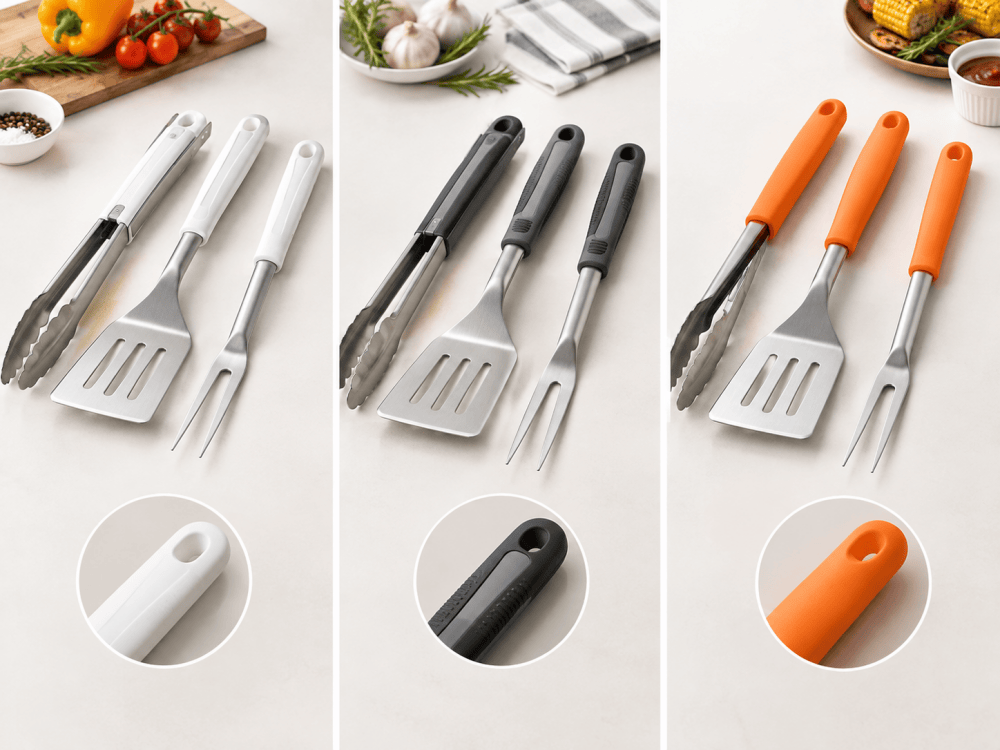
Essential BBQ Tools to Use with a Thermometer

A thermometer is only one part of a complete grilling setup. Professional grillers typically pair it with several other BBQ accessories to improve efficiency and cooking performance.

  • BBQ Tongs
  • BBQ Spatula
  • BBQ Fork
  • Grill Brush
  • BBQ Skewers
  • Basting Brush
  • Heat-Resistant Gloves
  • Complete BBQ Tool Set

Using a complete set of quality grilling tools makes outdoor cooking safer, easier, and more enjoyable.


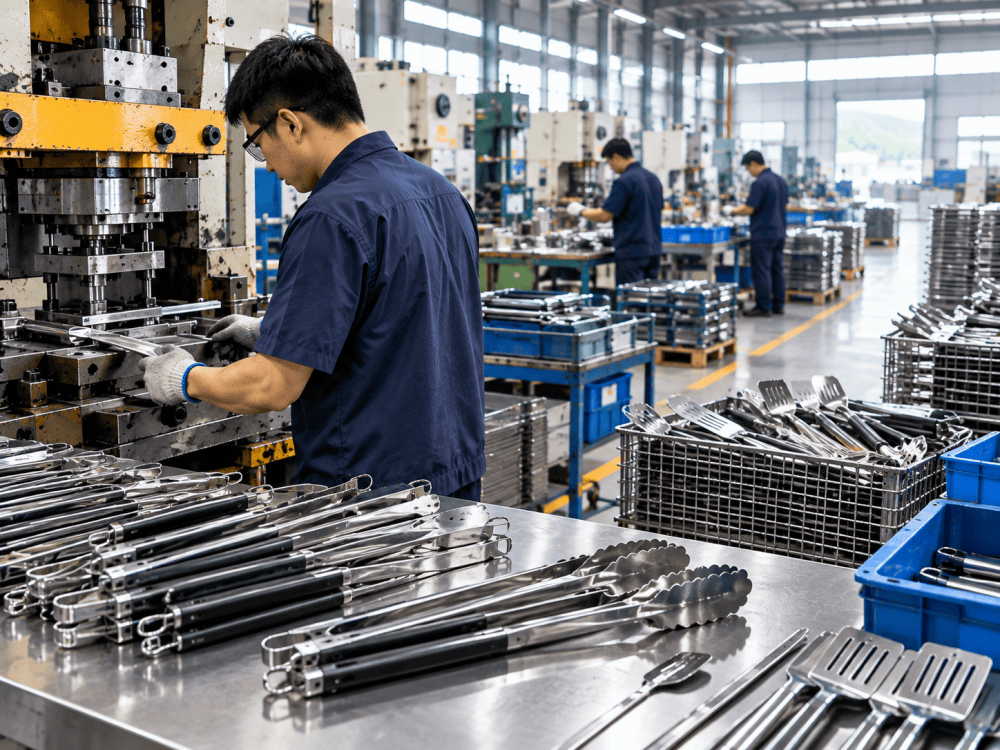
OEM BBQ Tool Manufacturing by FASAKA

FASAKA is a professional kitchenware and BBQ tool manufacturer serving global brands, distributors, wholesalers, supermarkets, and retailers.

Beyond manufacturing premium BBQ tools, we also provide comprehensive OEM and ODM services tailored to your brand requirements.

Our OEM Capabilities Include:

  • Custom BBQ tool sets
  • Private label production
  • Laser logo engraving
  • Custom packaging design
  • Product development
  • Material selection
  • Retail-ready solutions
  • Global export support

Explore More from FASAKA

OEM & ODM Manufacturing:

//www.fasaka.com/oem-odm-kitchenware.html

Browse Our BBQ Tool Collection:

//www.fasaka.com/bbq-tool-sets.html

Contact Our Team:

//www.fasaka.com/contact-fasaka.html


Frequently Asked Questions

What is the best meat temperature for grilling steak?

For medium-rare steak, aim for an internal temperature of 130–135°F (54–57°C). Remove the steak from the grill a few degrees early to allow for carryover cooking.

Do I really need a BBQ thermometer?

Yes. A BBQ thermometer provides accurate internal temperature readings, helping prevent undercooking, overcooking, and food waste.

Where should I insert the thermometer?

Insert the probe into the thickest part of the meat while avoiding bones, fat, and gristle.

Can I leave a thermometer in the grill?

Probe thermometers are designed for continuous monitoring during cooking. Instant-read thermometers should only be inserted briefly to take a reading.

What's the difference between an instant-read and a probe thermometer?

Instant-read thermometers provide quick spot checks, while probe thermometers remain in the meat throughout the cooking process for continuous monitoring.

How often should I calibrate my thermometer?

For frequent use, calibration every few months helps ensure continued accuracy, especially after accidental drops or heavy use.

Is medium steak safe to eat?

Whole cuts of beef cooked to 145°F and allowed to rest are generally considered safe according to USDA recommendations.

Can one thermometer be used for grilling, smoking, and roasting?

Yes. Most quality digital meat thermometers are suitable for grilling, smoking, roasting, baking, and many other cooking methods.


Final Thoughts

Mastering outdoor cooking isn't about guessing—it's about precision. Whether you're grilling steaks for a family dinner, smoking brisket for a weekend gathering, or preparing burgers for a backyard barbecue, knowing the correct internal temperature is the easiest way to achieve consistently delicious results.

A reliable BBQ thermometer takes the uncertainty out of grilling. Combined with the right grilling tools and proper cooking techniques, it helps you serve meat that's juicy, flavorful, and cooked safely every time.

Great grilling isn't about cooking longer—it's about cooking smarter. A quality BBQ thermometer is one of the simplest investments you can make for better barbecue.