




Why Do Kitchen Knives Rust?
Why Do Kitchen Knives Rust?
Published by FASAKA | Kitchen Knife Maintenance Guide
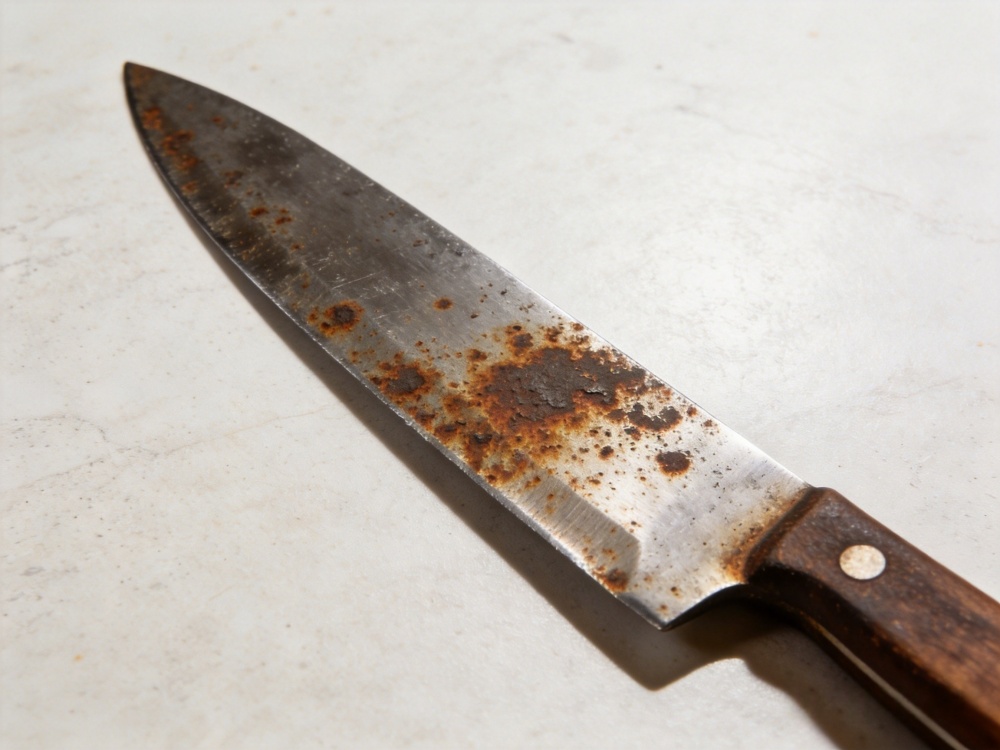
Rust is one of the most common issues affecting kitchen knives, especially in humid environments or under improper maintenance conditions. Even stainless steel knives can develop rust spots if not properly cleaned, dried, or stored.
Understanding why knives rust is important for extending product lifespan, maintaining cutting performance, and improving food safety. At FASAKA, corrosion resistance is carefully considered across our kitchen knife product collection for both household and professional markets.
What Causes Kitchen Knives to Rust?
Rust forms when iron inside the steel reacts with oxygen and moisture. This chemical reaction creates iron oxide, commonly known as rust.
Even stainless steel contains some carbon and iron, which means no kitchen knife is completely rust-proof under extreme conditions.
- Moisture left on the blade surface
- Salt, acidic foods, or harsh detergents
- Poor storage ventilation
- Damaged protective surface layer
Why Can Stainless Steel Knives Still Rust?
Many consumers believe stainless steel means “completely rust-proof,” but that is not technically accurate.
Stainless steel resists corrosion because chromium forms a protective oxide layer on the blade surface. However, if this layer is damaged or exposed to harsh environments for long periods, rust can still occur.
- Extended exposure to water
- Dishwasher heat and chemicals
- Saltwater or acidic ingredients
- Low-quality steel composition
Different steel types also offer different corrosion resistance levels, as explained in our guide: High Carbon vs Stainless Steel Knives .
Common Situations That Accelerate Rust
Certain kitchen habits significantly increase the risk of corrosion and rust formation.
- Leaving knives wet in sinks overnight
- Storing knives inside damp drawers
- Cutting acidic foods without cleaning afterward
- Using abrasive scrubbers that damage the blade surface
In tropical and humid climates, improper storage is one of the leading causes of rust development on kitchen knives.
How to Prevent Rust on Kitchen Knives
Proper daily maintenance is the most effective way to prevent knife corrosion.
- Wash knives immediately after use
- Dry completely with a soft cloth
- Store in dry, ventilated environments
- Avoid long-term moisture exposure
- Apply food-safe oil for long-term storage if necessary
Professional kitchens often use magnetic knife holders or ventilated knife blocks to improve airflow and reduce moisture retention.
How FASAKA Improves Corrosion Resistance
At FASAKA, material selection and surface finishing are optimized to improve corrosion resistance for global markets.
Through our OEM/ODM kitchenware manufacturing solutions , we support customized steel selection, blade finishing, and anti-corrosion treatments for different regional environments.
- Corrosion-resistant stainless steel options
- Optimized polishing and surface finishing
- Protective coating solutions
- Strict humidity and salt spray testing
Frequently Asked Questions (FAQ)
Can stainless steel kitchen knives rust?
Yes. Stainless steel is corrosion-resistant but not completely rust-proof under extreme moisture or poor maintenance conditions.
What foods cause knife rust?
Acidic foods such as tomatoes, lemons, and onions can accelerate corrosion if the blade is not cleaned properly afterward.
Is dishwasher cleaning bad for knives?
Yes. High heat, detergents, and prolonged moisture exposure can damage the blade surface and increase rust risk.
How can I remove rust from a kitchen knife?
Light rust can often be removed using baking soda paste, rust erasers, or food-safe polishing compounds.
Looking for Corrosion-Resistant Kitchen Knives?
Contact FASAKA for OEM/ODM kitchen knives with optimized stainless steel materials, anti-corrosion finishes, and reliable global manufacturing solutions.
Contact Us

