




Why Blade Thickness Matters in Kitchen Knives
Why Blade Thickness Matters in Kitchen Knives
Published by FASAKA | Kitchen Knife Design & Engineering Guide
When choosing a kitchen knife, most buyers focus on steel type, sharpness, or handle design. However, blade thickness is one of the most critical yet often overlooked factors that determines how a knife performs in real kitchen use.
Blade thickness affects cutting efficiency, food release, durability, balance, and even user fatigue. In professional kitchen knife manufacturing, small differences in thickness can completely change the knife’s performance profile.
At FASAKA, blade thickness is carefully engineered in our kitchen knife product line to match different market requirements, from lightweight household knives to heavy-duty professional tools.
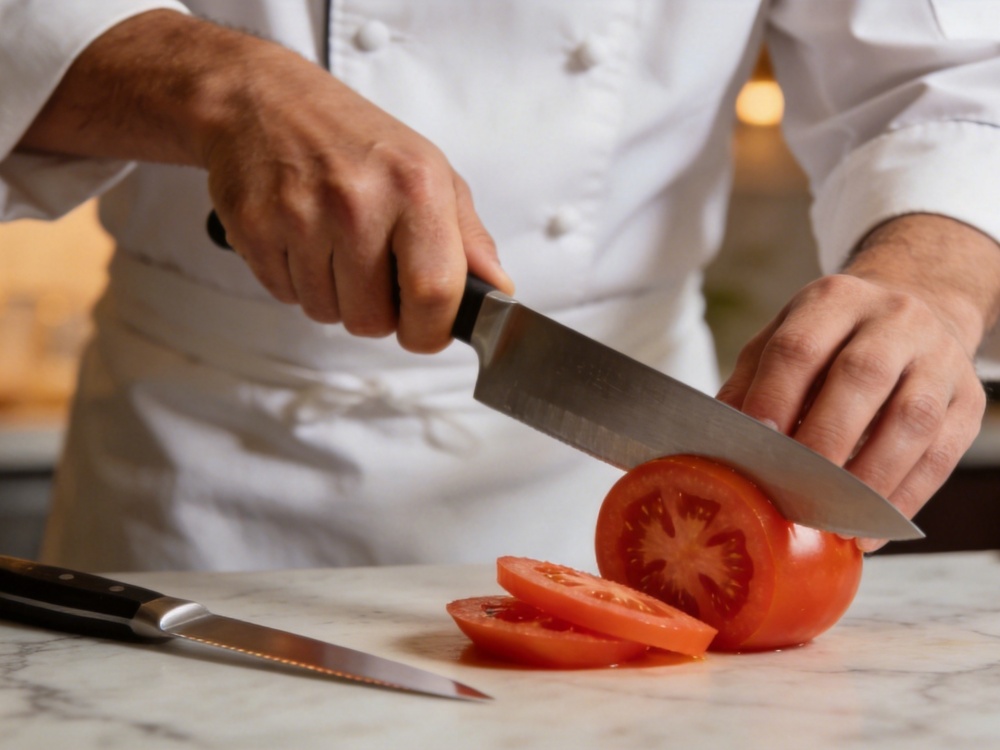
What is Blade Thickness in Kitchen Knives?
Blade thickness refers to the measurement of the knife from the spine (top of the blade) to the cutting edge. It is usually measured in millimeters or fractions of an inch.
In general, kitchen knives fall within a relatively thin range compared to outdoor or survival knives. A typical chef knife may range from about 1.5mm to 3.5mm depending on design and usage purpose. :contentReference[oaicite:0]{index=0}
- Thin blades: precision slicing and soft ingredients
- Medium thickness: all-purpose kitchen use
- Thicker blades: heavy-duty cutting and durability
Thin vs Thick Blades: Key Performance Differences
Blade thickness directly impacts how a knife interacts with food during cutting. Thin and thick blades behave very differently in real kitchen environments.
- Thin blades: smoother slicing, higher precision, less resistance
- Thick blades: stronger structure, better durability, more force handling
- Medium blades: balance between control and strength
Studies on knife geometry show that thicker blades tend to be more robust but may create more resistance when cutting dense ingredients. :contentReference[oaicite:1]{index=1}
How Blade Thickness Affects Cutting Performance
Blade thickness influences multiple performance factors beyond just “sharpness.”
- Cutting resistance through food fibers
- Food release from blade surface
- Edge stability during use
- Control during fine slicing tasks
In real cooking environments, a thinner blade reduces wedging effect and improves slicing efficiency, especially for vegetables and boneless proteins.
Durability vs Precision: The Engineering Trade-Off
One of the most important design decisions in knife manufacturing is balancing durability and precision.
Thicker blades provide better resistance against bending and chipping, making them suitable for demanding cutting tasks. However, they may sacrifice slicing smoothness.
Thinner blades offer superior cutting performance and precision, but require higher-quality steel and heat treatment to maintain structural stability.
This is why professional manufacturers carefully adjust thickness based on product category and target market requirements.
Blade Thickness in OEM Kitchen Knife Manufacturing
In OEM and ODM production, blade thickness is not a fixed standard — it is a customizable engineering parameter based on customer requirements.
At FASAKA, we provide thickness customization for different product lines through our OEM/ODM kitchenware solutions .
- Retail knife sets: optimized balance of cost and performance
- Professional knives: enhanced precision and control
- Heavy-duty knives: increased durability and strength
- Market-specific thickness tuning for regional preferences
How FASAKA Optimizes Blade Thickness
FASAKA combines material selection, heat treatment, and blade geometry engineering to optimize knife performance.
- Precision grinding control
- Thickness consistency inspection
- Performance testing for different markets
- OEM customization support
Frequently Asked Questions (FAQ)
What is the best blade thickness for kitchen knives?
Most kitchen knives fall between 1.5mm and 3mm depending on usage, balancing precision and durability.
Are thinner knives always better?
Not always. Thinner knives are better for slicing, but thicker knives are stronger and more durable for heavy tasks.
Does blade thickness affect sharpness?
Indirectly yes. Thickness affects cutting resistance and edge geometry, which influences perceived sharpness.
Can blade thickness be customized in OEM production?
Yes. OEM manufacturers like FASAKA can adjust blade thickness based on market and customer requirements.
Looking for Custom Kitchen Knife Manufacturing?
Contact FASAKA for OEM/ODM kitchen knives with optimized blade thickness, professional engineering, and global supply solutions.
Contact Us

