

2026-06-27

What Is a Paring Knife Used for? The Complete Paring Kitchen Knife Guide

What Is a Paring Knife Used for? The Complete Paring Kitchen Knife Guide

When people think of essential kitchen knives, the chef's knife usually gets all the attention. However, ask professional chefs which knife they reach for second most often, and many will give the same answer:

The paring kitchen knife.

Although it's one of the smallest knives in the kitchen, a paring knife is one of the most versatile. From peeling apples and trimming vegetables to removing strawberry stems and creating decorative garnishes, this compact knife performs the detailed tasks that larger knives simply cannot.

Whether you're a home cook, a professional chef, or a kitchenware buyer looking for the right knife collection, understanding how to use a paring knife correctly will improve both your efficiency and food preparation skills.

In this complete guide, you'll learn:

  • What a paring kitchen knife is
  • What a paring knife is used for in the kitchen
  • The most common everyday applications
  • Paring knife vs chef knife vs utility knife
  • How to choose the best paring knife
  • Cleaning, sharpening, and maintenance tips
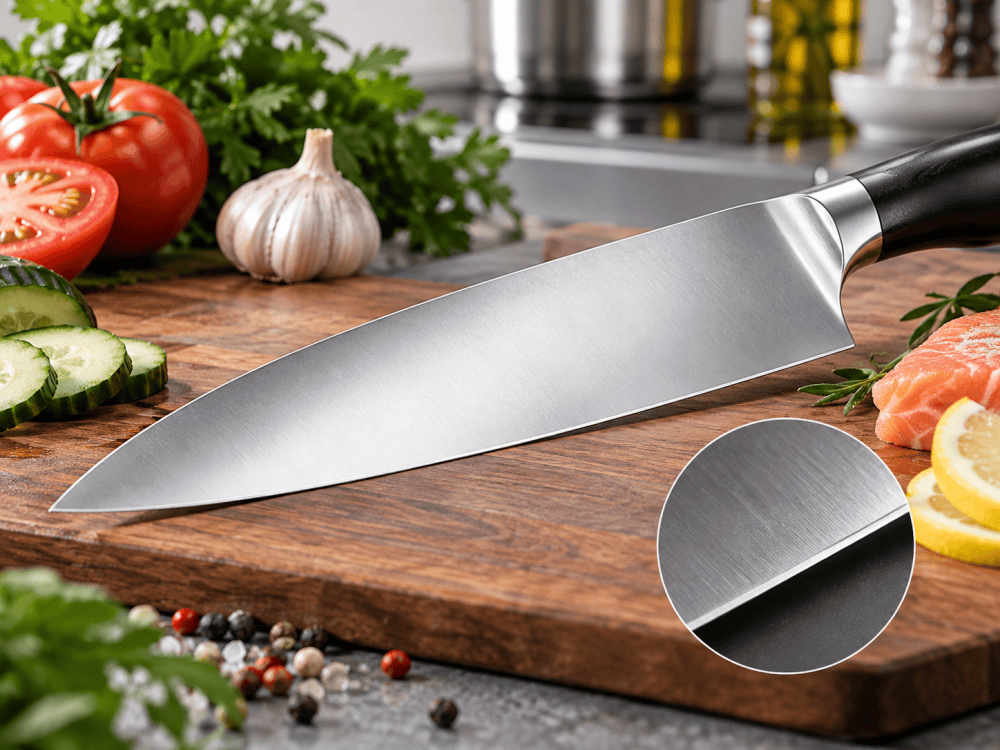
Paring kitchen knife on cutting board

What Is a Paring Kitchen Knife?

A paring kitchen knife is a small, lightweight knife designed for precision cutting rather than heavy-duty chopping.

Unlike a chef's knife, which is intended for slicing larger ingredients on a cutting board, a paring knife is usually held in the hand while the food is rotated or manipulated for maximum control.

The word "paring" comes from the verb pare, meaning to trim or peel away the outer layer of fruits and vegetables.

Typical Specifications

Feature Typical Size
Blade Length 3–4 inches (7.5–10 cm)
Blade Shape Straight or slightly curved
Weight Lightweight
Primary Purpose Precision cutting and peeling
Common Materials Stainless steel blade with PP, ABS, or wooden handle

Its compact size allows users to make accurate cuts with excellent control, making it one of the most practical knives in any kitchen.


What Is a Paring Knife Used for in the Kitchen?

If you've ever searched for "what is a paring knife used for in the kitchen", the short answer is:

A paring knife is designed for small, delicate, and precise cutting tasks that require maximum control.

Below are some of its most common uses.

1. Peeling Fruits and Vegetables

The classic purpose of a paring knife is peeling produce. Its short blade follows the natural curves of fruits and vegetables, allowing you to remove thin layers of skin with minimal waste.

Common examples include:

  • Apples
  • Pears
  • Potatoes
  • Peaches
  • Mangoes
  • Carrots

2. Trimming Vegetables

A paring knife makes it easy to trim broccoli stems, remove blemishes from potatoes, cut mushroom stems, and prepare vegetables before cooking.

3. Coring Fruits

Its pointed tip allows you to remove apple cores, tomato stems, and pepper seeds with excellent precision.

4. Hulling Strawberries

Removing strawberry hulls is one of the tasks where a paring knife truly shines. The narrow tip slips neatly beneath the leaves without wasting the fruit.

5. Deveining Shrimp

Many chefs prefer a paring knife when cleaning shrimp because the pointed blade easily exposes and removes the digestive tract without damaging the meat.

Using a paring knife to peel fruit

6. Decorative Garnishing

Professional chefs often use paring knives to create attractive garnishes for fruit platters, desserts, cocktails, and restaurant presentations.

Examples include:

  • Citrus twists
  • Tomato roses
  • Carrot flowers
  • Fruit carvings
  • Vegetable decorations

7. Removing Seeds

Whether you're preparing jalapeños, bell peppers, cucumbers, or squash, a paring knife provides excellent control for removing seeds cleanly.

8. Cutting Small Ingredients

Small herbs, garlic cloves, shallots, ginger, mushrooms, and citrus wedges are all much easier to prepare with a paring knife than with a large chef's knife.


Why Every Kitchen Needs a Paring Knife

Many people assume a chef's knife can handle every cutting task. While a chef's knife is undoubtedly the most versatile large knife, it isn't always the safest or most efficient option for delicate work.
Task Chef's Knife Paring Knife
Peeling Apples ✗ Difficult ✓ Excellent
Removing Strawberry Hulls ✗ Poor Control ✓ Perfect
Fruit Carving ✗ Not Ideal ✓ Precision Work
Garlic Preparation ✓ Good ✓ Better Control

Think of a chef's knife as your primary workhorse—and a paring knife as your precision tool.

In Part 2, we'll compare the paring knife vs chef knife, explain the differences between a paring knife and a utility knife, explore straight-edge versus serrated blades, and reveal the top 15 everyday uses for a paring kitchen knife.

Top 15 Everyday Uses of a Paring Knife

Although small in size, a paring knife is one of the most frequently used knives in the kitchen. Its precision and maneuverability make it ideal for countless food preparation tasks that larger knives simply can't perform as efficiently.

The following table highlights some of the most common everyday applications for a paring kitchen knife.

Food or Task Recommended Why It Works Well
Peeling Apples ★★★★★ Excellent control around curved surfaces
Peeling Potatoes ★★★★★ Thin peeling reduces food waste
Garlic ★★★★★ Easy trimming and slicing
Strawberries ★★★★★ Perfect for hulling
Tomatoes ★★★★☆ Removing stems and coring
Kiwi ★★★★★ Peeling delicate skin
Mango ★★★★☆ Scoring and trimming
Mushrooms ★★★★★ Stem removal
Shrimp ★★★★★ Deveining with precision
Bell Peppers ★★★★★ Seed removal
Citrus Fruits ★★★★★ Creating garnishes and twists
Peaches ★★★★☆ Removing pits
Decorative Carving ★★★★★ Maximum precision
Herbs ★★★★☆ Small chopping jobs
Cheese Cubes ★★★★☆ Serving appetizers
Various fruits prepared with a paring knife

Paring Knife vs Chef's Knife

Both knives are essential, but they serve very different purposes.

Feature Paring Knife Chef's Knife
Blade Length 3–4 inches 8–10 inches
Weight Very Light Heavier
Precision Excellent Moderate
Large Vegetables Not Recommended Excellent
Fine Detail Work Excellent Average

A chef's knife handles the heavy work, while a paring knife provides the precision needed for delicate preparation.


Paring Knife vs Utility Knife

Many people confuse these two knives because they're both smaller than a chef's knife. However, their intended uses are quite different.

Feature Paring Knife Utility Knife
Blade Length 3–4" 5–7"
Primary Purpose Precision tasks General slicing
Fruit Peeling Excellent Average
Sandwiches Good Excellent
Small Meat Cuts Limited Better Choice

Straight Edge vs Serrated Paring Knife

Paring knives are commonly available with either a straight edge or a serrated edge. Choosing the right style depends on what you prepare most often.

Straight Edge Serrated Edge
Smooth, clean cuts Grips slippery surfaces
Easy to sharpen More difficult to sharpen
Ideal for peeling Ideal for tomatoes and citrus
Most versatile Specialized use

If you're buying only one paring knife, a straight-edge blade is usually the best all-around choice.


Common Mistakes When Using a Paring Knife

Despite its versatility, a paring knife is not designed for every kitchen task.

  • ❌ Cutting pumpkins or squash
  • ❌ Chopping frozen foods
  • ❌ Splitting bones
  • ❌ Opening cans or packages
  • ❌ Twisting the blade to pry ingredients apart
  • ❌ Using excessive force on hard foods

Using a paring knife beyond its intended purpose may damage the blade, reduce cutting performance, and increase the risk of accidents.

In Part 3, we'll explain how to choose the best paring kitchen knife, discuss blade materials and handle designs, provide sharpening and maintenance tips, introduce FASAKA's OEM kitchen knife manufacturing services, and answer the most frequently asked questions about paring knives.

How to Choose the Best Paring Kitchen Knife

A quality paring knife should feel like an extension of your hand. Since it is primarily used for detailed work rather than heavy chopping, comfort, balance, and precision are far more important than blade size.

When comparing different paring kitchen knives, consider the following factors.

1. Blade Material

The blade material directly affects sharpness, corrosion resistance, edge retention, and maintenance requirements.

Material Advantages Best For
Stainless Steel Rust resistant, easy maintenance Everyday home kitchens
High Carbon Stainless Steel Excellent sharpness and durability Professional chefs
Carbon Steel Extremely sharp edge Experienced users willing to maintain the blade

2. Blade Length

Most paring knives range from 3 to 4 inches. A 3-inch blade offers maximum precision, while a 4-inch blade provides slightly greater versatility for slicing larger fruits and vegetables.

3. Handle Comfort

Because a paring knife is often held in the air rather than used on a cutting board, an ergonomic handle is essential. Look for handles made from:

  • PP (Polypropylene)
  • ABS Plastic
  • Soft TPR Grip
  • Pakka Wood
  • Natural Hardwood

4. Balance

A well-balanced knife reduces hand fatigue and improves cutting accuracy, especially during repetitive preparation work.


How to Sharpen a Paring Knife

Even the best paring knife will eventually become dull with regular use. Fortunately, maintaining a razor-sharp edge is simple with the right tools.

Using a Whetstone

  • Soak the whetstone if required.
  • Maintain a sharpening angle of approximately 15–20 degrees.
  • Move the blade evenly across the stone.
  • Alternate sides for an even edge.
  • Finish with a finer grit for polishing.

Using a Honing Rod

A honing rod doesn't remove much metal—it simply realigns the cutting edge, helping the knife stay sharp between full sharpenings.

Regular honing and occasional sharpening can significantly extend the life of your paring knife.


Cleaning and Storage Tips

Proper care keeps your knife sharper, safer, and more hygienic.

  • ✔ Wash by hand with warm water and mild detergent.
  • ✔ Dry immediately after cleaning.
  • ✔ Store in a knife block, magnetic strip, or protective sheath.
  • ✔ Avoid leaving the knife in the sink.
  • ✔ Do not use glass, marble, or ceramic cutting boards.
  • ✔ Sharpen before the blade becomes excessively dull.

Why Choose FASAKA as Your Kitchen Knife Manufacturer?

FASAKA is a professional manufacturer of kitchen knives and kitchenware, supplying importers, wholesalers, retailers, supermarkets, and private-label brands around the world.

With years of manufacturing experience and advanced production capabilities, we provide complete OEM and ODM solutions for businesses looking to build or expand their kitchen knife collections.

Our OEM & ODM Services Include:

  • Custom blade materials
  • Private label branding
  • Laser logo engraving
  • Custom handle materials and colors
  • Retail-ready packaging design
  • Product development and sourcing
  • Quality inspection and export support

Explore More from FASAKA

OEM & ODM Kitchenware Manufacturing

//www.fasaka.com/oem-odm-kitchenware.html

Browse Our Kitchen Knife Collection

//www.fasaka.com/kitchen-knives.html

Contact Our Team

//www.fasaka.com/contact-fasaka.html


Frequently Asked Questions

What is a paring knife used for?

A paring knife is primarily used for peeling, trimming, coring, slicing small fruits and vegetables, removing seeds, deveining shrimp, and other precision cutting tasks.

Why is it called a paring knife?

The name comes from the word "pare," which means to trim or peel away the outer layer of fruits and vegetables.

Can I cut meat with a paring knife?

Yes, but only for small trimming tasks such as removing fat, silver skin, or preparing small boneless pieces. It is not intended for cutting large cuts of meat or bones.

What is the difference between a paring knife and a chef's knife?

A paring knife is designed for precision work with a short blade, while a chef's knife is intended for chopping, slicing, and handling larger ingredients.

What size paring knife is best?

A blade length of 3.5 inches is considered the most versatile for most home kitchens, balancing maneuverability with cutting capability.

Should I choose a straight-edge or serrated paring knife?

A straight-edge paring knife is generally the better all-around choice because it handles a wider variety of kitchen tasks and is easier to sharpen.

Is a paring knife dishwasher safe?

Even if labeled dishwasher safe, hand washing is strongly recommended to preserve the blade edge and handle materials.

How long does a quality paring knife last?

With proper sharpening, cleaning, and storage, a high-quality stainless steel paring knife can last for many years, making it one of the best long-term investments for any kitchen.


Final Thoughts

While it may be the smallest knife in your collection, the paring kitchen knife is one of the most valuable tools for everyday food preparation. From peeling apples and trimming vegetables to creating elegant garnishes and performing intricate cutting tasks, its versatility makes it an indispensable part of any kitchen.

Choosing the right paring knife means considering blade material, edge style, handle comfort, and balance. Regular maintenance—including proper sharpening, cleaning, and storage—will ensure your knife continues to deliver precise performance for years to come.

If you're sourcing premium kitchen knives for your business, FASAKA offers reliable OEM and ODM manufacturing services backed by strict quality control, customizable designs, and global export experience. Whether you're developing a private-label collection or expanding your product range, our team is ready to help you bring high-quality kitchen knives to market.

A paring knife may be small, but its impact in the kitchen is enormous. Master this essential tool, and everyday food preparation becomes faster, safer, and far more enjoyable.