
What Is a Fillet Knife? Uses, Types, Fillet Knife vs. Boning Knife & Buying Guide (2026)
Whether you're preparing fresh salmon, cleaning trout after a fishing trip, or processing seafood in a commercial kitchen, using the right knife can dramatically improve efficiency and precision. While many people try to fillet fish with a chef's knife, professionals almost always choose a fillet knife because of its thin, flexible blade and superior control.
But what is a fillet knife, and what makes it different from a boning knife or a chef's knife? Is a flexible blade always better? Which blade length should you choose for different fish species?
This comprehensive guide explains what a fillet knife is, what it is used for, how it differs from other kitchen knives, and how to choose the best fillet knife for home cooks, professional chefs, seafood processors, wholesalers, and kitchenware buyers.
Quick Answer
A fillet knife is a long, thin, flexible kitchen knife designed specifically for filleting fish. Its narrow blade allows users to follow the natural contours of bones, remove skin with minimal waste, and produce clean, precise fillets. Fillet knives are commonly used for salmon, trout, bass, snapper, cod, tuna, and many other freshwater and saltwater fish.
Fillet Knife at a Glance
| Feature | Details |
|---|---|
| Primary Purpose | Filleting fish and removing skin |
| Blade Length | 6–9 inches |
| Blade Shape | Long, narrow, pointed |
| Blade Flexibility | Flexible or semi-flexible |
| Best For | Fish, seafood, skinning, precision trimming |
| Ideal Users | Home cooks, anglers, seafood restaurants, fish markets, seafood processors |
What Is a Fillet Knife?
A fillet knife is a specialized kitchen knife engineered to separate fish meat from bones with maximum precision and minimal waste. Unlike general-purpose kitchen knives, its blade is significantly thinner and more flexible, allowing it to glide smoothly along the fish's skeleton and under the skin.
The flexibility of the blade enables users to follow the natural curves of fish, making cleaner cuts while preserving more edible meat. This is particularly important when preparing expensive seafood such as salmon, tuna, or sea bass.
Today, fillet knives are widely used in home kitchens, seafood restaurants, commercial fish processing facilities, supermarkets, and by recreational anglers who clean freshly caught fish.
A fillet knife is designed to follow the fish—not force the fish to follow the knife.
What Is a Fillet Knife Used For?
Although its primary purpose is filleting fish, a fillet knife performs several precision cutting tasks that require excellent control and flexibility.
Filleting Whole Fish
The primary use of a fillet knife is separating fillets from the backbone while leaving as much meat as possible on the fillet instead of the skeleton.
Removing Fish Skin
The thin, flexible blade slides easily between the flesh and the skin, producing clean, skinless fillets with very little waste.
Removing Pin Bones
The pointed tip allows users to carefully remove small pin bones without damaging surrounding meat.
Trimming Fat and Membranes
Fillet knives are excellent for trimming connective tissue, silver skin, and small amounts of fat from fish and other delicate proteins.
Preparing Sushi and Sashimi Ingredients
Many chefs use long fillet knives to prepare uniform portions of fresh fish before slicing them into sushi or sashimi.
Cleaning Fresh Catch
For anglers, a fillet knife is one of the most essential tools for cleaning fish immediately after a successful day on the water.
Best Fish for a Fillet Knife
| Fish | Recommended | Reason |
|---|---|---|
| Salmon | ★★★★★ | Large fillets and easy skin removal |
| Trout | ★★★★★ | Flexible blade follows small bones |
| Bass | ★★★★★ | Ideal for precise filleting |
| Snapper | ★★★★★ | Thin blade minimizes waste |
| Cod | ★★★★☆ | Soft flesh requires delicate cutting |
| Tuna | ★★★★☆ | Large sections benefit from long blades |
| Catfish | ★★★★☆ | Excellent for skinning and trimming |
Anatomy of a Fillet Knife
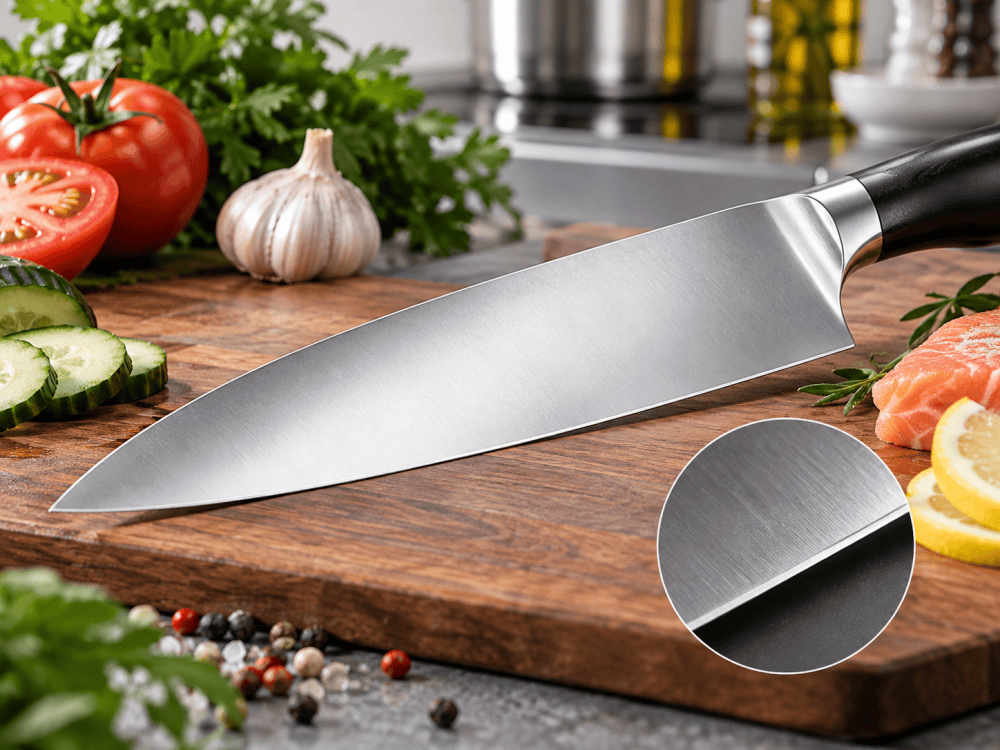
Every component of a fillet knife is carefully designed to improve flexibility, control, and cutting accuracy.
| Component | Purpose |
|---|---|
| Flexible Blade | Follows the contour of fish bones |
| Pointed Tip | Starts precise cuts and removes pin bones |
| Thin Edge | Creates clean, smooth cuts |
| Ergonomic Handle | Improves comfort and grip, even when wet |
| Full Tang (Optional) | Provides strength and better balance |
Unlike most kitchen knives, a fillet knife is engineered to maximize precision while minimizing waste—making it one of the most efficient tools for preparing fish.
In Part 2, we'll explain how to use a fillet knife correctly, compare flexible vs. stiff blades, examine fillet knife vs. boning knife and chef's knife, and discuss which knife is best for different fish species and professional applications.
How to Use a Fillet Knife
Using a fillet knife correctly allows you to remove the maximum amount of meat while leaving very little on the bones. Unlike chopping or slicing with a chef's knife, filleting relies on smooth, controlled movements that follow the natural structure of the fish.
Whether you're preparing a freshly caught trout or processing large salmon for a restaurant, the basic technique remains the same.
Step 1: Prepare the Fish
Place the fish on a stable cutting board with the belly facing toward you. Make sure the fish has been properly cleaned and scaled if necessary.
- ✔ Use a non-slip cutting board
- ✔ Dry excess moisture with paper towels
- ✔ Ensure your knife is razor sharp
Step 2: Cut Behind the Gill Plate
Insert the tip of the fillet knife just behind the gill plate and slice downward until reaching the backbone without cutting completely through.
Step 3: Follow the Backbone
Turn the blade horizontally and gently glide along the backbone toward the tail. Allow the flexible blade to follow the fish's natural bone structure instead of forcing the cut.
Step 4: Separate the Fillet
Continue slicing until the fillet separates cleanly from the skeleton. Repeat the same process on the opposite side.
Step 5: Remove the Skin
Place the fillet skin-side down. Hold the tail end firmly and slide the knife between the skin and flesh using long, smooth strokes while keeping the blade nearly parallel to the cutting board.
The secret to perfect fillets is letting the flexible blade follow the bones—not forcing the knife through the fish.
Flexible vs. Stiff Fillet Knife
One of the biggest decisions when buying a fillet knife is choosing between a flexible blade and a stiff blade. Each has unique advantages depending on the size of the fish and the type of cutting required.
| Feature | Flexible Blade | Stiff Blade |
|---|---|---|
| Precision | ★★★★★ | ★★★★☆ |
| Large Fish | ★★★★☆ | ★★★★★ |
| Small Fish | ★★★★★ | ★★★☆☆ |
| Removing Skin | ★★★★★ | ★★★☆☆ |
| Durability | ★★★★☆ | ★★★★★ |
For most home cooks and anglers, a flexible blade offers the greatest versatility. Commercial seafood processors may prefer semi-flexible or stiff blades for larger fish and repetitive production work.
Fillet Knife vs. Boning Knife
Although they appear similar, fillet knives and boning knives are designed for different tasks. A fillet knife is optimized for delicate fish, while a boning knife is intended for separating meat from bones in poultry, pork, beef, and lamb.
| Feature | Fillet Knife | Boning Knife |
|---|---|---|
| Primary Use | Fish | Meat & Poultry |
| Blade Thickness | Very Thin | Thicker |
| Blade Flexibility | High | Medium |
| Best For | Fish Fillets | Deboning Meat |
| Removing Skin | ★★★★★ | ★★★☆☆ |
👉 Want to learn more about boning knives? Read our complete guide: What Is a Boning Knife?
Fillet Knife vs. Chef's Knife
Many beginners wonder whether they can fillet fish using a chef's knife. While it's possible, it is far from ideal.
| Feature | Fillet Knife | Chef's Knife |
|---|---|---|
| Precision | ★★★★★ | ★★★☆☆ |
| Flexibility | ★★★★★ | ★☆☆☆☆ |
| Fish Processing | Excellent | Acceptable |
| General Kitchen Tasks | Limited | Excellent |
Recommended Blade Length by Fish Species
| Fish Species | Recommended Blade Length |
|---|---|
| Trout | 6 inches |
| Bass | 6–7 inches |
| Salmon | 8 inches |
| Cod | 7 inches |
| Snapper | 7 inches |
| Catfish | 8 inches |
| Tuna | 9 inches |
Professional Applications
Fillet knives are indispensable tools across the seafood industry. Their precision and efficiency make them the preferred choice for professionals handling fish every day.
- ✔ Seafood restaurants preparing fresh fish
- ✔ Fish markets offering custom filleting services
- ✔ Commercial seafood processing plants
- ✔ Sushi and sashimi restaurants
- ✔ Recreational and professional fishing guides
- ✔ Supermarkets with fresh seafood departments
Common Mistakes When Using a Fillet Knife
- ❌ Using a dull blade.
- ❌ Applying too much downward pressure.
- ❌ Cutting through bones instead of following them.
- ❌ Choosing the wrong blade length for the fish.
- ❌ Twisting the blade during cuts.
- ❌ Using a fillet knife for chopping bones or frozen foods.
A quality fillet knife isn't about cutting harder—it's about cutting smarter, allowing the blade's flexibility to do the work.
In Part 3, we'll cover how to choose the best fillet knife, compare blade steels and handle materials, explain proper maintenance and sharpening techniques, introduce FASAKA's OEM manufacturing capabilities, and answer the most frequently asked questions about fillet knives.
How to Choose the Best Fillet Knife
Choosing the right fillet knife depends on the type of fish you prepare, how frequently you use it, and whether you're a home cook, professional chef, angler, seafood processor, or kitchenware buyer. The ideal fillet knife should provide excellent flexibility, razor-sharp cutting performance, corrosion resistance, and long-lasting durability.
Before purchasing a fillet knife, consider the blade steel, blade length, flexibility, handle material, edge retention, and overall balance.
Choosing the Right Blade Steel
Since fillet knives are frequently exposed to water, salt, and fish oils, corrosion resistance is one of the most important considerations. Stainless steel remains the preferred material for both home kitchens and commercial seafood processing.
| Blade Steel | Advantages | Recommended For |
|---|---|---|
| 3Cr13 Stainless Steel | Affordable, corrosion resistant, easy to sharpen | Home users and retailers |
| 5Cr15MoV Stainless Steel | Excellent sharpness and edge retention | Professional kitchens |
| High Carbon Stainless Steel | Premium cutting performance and durability | Commercial seafood processing |
| German Stainless Steel | Outstanding toughness and corrosion resistance | Restaurants and hotels |
For seafood preparation, stainless steel offers the best balance of sharpness, rust resistance, hygiene, and long-term durability.
Choosing the Right Blade Length
Blade length directly affects control and efficiency. Smaller fish are easier to fillet with shorter blades, while larger species require longer blades to create smooth, continuous cuts.
| Blade Length | Recommended For |
|---|---|
| 6 Inches | Trout, perch, bass and panfish |
| 7 Inches | Snapper, cod, tilapia |
| 8 Inches | Salmon, catfish, walleye |
| 9 Inches | Large tuna and commercial seafood processing |
Choosing the Right Handle Material
Fish processing often involves water, ice, and slippery conditions. A comfortable, non-slip handle significantly improves safety and cutting accuracy.
| Handle Material | Advantages |
|---|---|
| PP | Lightweight, economical, durable |
| PP + TPR | Excellent non-slip grip for wet environments |
| ABS | Impact resistant and easy to clean |
| Pakkawood | Premium appearance with excellent durability |
Which Fillet Knife Should You Choose?
| User | Recommended Knife |
|---|---|
| Home Cook | 7-inch flexible stainless steel fillet knife |
| Recreational Angler | 8-inch flexible blade |
| Seafood Restaurant | 8-inch commercial stainless steel knife |
| Fish Market | Semi-flexible professional fillet knife |
| Seafood Processing Plant | Heavy-duty commercial fillet knife |
How to Maintain a Fillet Knife
- ✔ Wash the knife by hand immediately after use.
- ✔ Dry the blade thoroughly to prevent water spots.
- ✔ Hone the edge regularly to maintain cutting performance.
- ✔ Sharpen the knife when it begins tearing fish instead of slicing cleanly.
- ✔ Store it in a knife sheath, magnetic strip, or knife block.
- ✔ Never cut frozen fish or bones with a fillet knife.
- ✔ Avoid putting premium fillet knives in the dishwasher.
Fillet Knife Buying Checklist
- ☑ Corrosion-resistant stainless steel blade
- ☑ Flexible or semi-flexible blade design
- ☑ Razor-sharp precision edge
- ☑ Comfortable ergonomic handle
- ☑ Excellent balance and control
- ☑ Easy maintenance and sharpening
- ☑ Food-grade materials
- ☑ OEM / ODM customization available
- ☑ Suitable blade length for target fish species
- ☑ Commercial-grade durability
Why Choose FASAKA for OEM Fillet Knives?
FASAKA is a professional kitchen knife manufacturer providing OEM and ODM solutions for distributors, wholesalers, retailers, restaurant suppliers, seafood equipment companies, and private-label kitchenware brands around the world.
Our fillet knives are manufactured using premium stainless steel and strict quality control processes to ensure exceptional sharpness, flexibility, corrosion resistance, and long service life.
OEM customization options include:
- Custom blade steel and hardness
- Flexible or semi-flexible blade options
- Blade length customization
- Handle materials and colors
- Laser logo engraving
- Private label packaging
- Retail gift box design
- Bulk manufacturing with comprehensive quality inspection
Explore More from FASAKA
Looking for a reliable OEM kitchen knife manufacturer?
OEM Kitchen Knife Manufacturing Services →
Browse our complete kitchen knife collection:
Professional Kitchen Knife Collection →
Need product recommendations or a quotation?
Frequently Asked Questions
What is a fillet knife used for?
A fillet knife is primarily used to remove fish fillets, separate meat from bones, remove skin, and trim delicate seafood with precision.
Can you fillet fish with a chef's knife?
Yes, but a chef's knife lacks the flexibility needed to follow fish bones closely, resulting in more waste and less precise cuts.
Is a flexible or stiff fillet knife better?
Flexible blades are ideal for smaller fish and skinning, while semi-flexible or stiff blades provide better control for larger fish and commercial applications.
Can a fillet knife cut meat?
It can trim boneless meat, but it is specifically designed for fish. A boning knife is generally more suitable for beef, pork, and poultry.
What is the best blade length for a fillet knife?
Most home users prefer a 7-inch blade, while 8- to 9-inch blades are commonly used for salmon, tuna, and commercial seafood processing.
How often should I sharpen a fillet knife?
Regular honing after several uses and sharpening whenever the blade loses its edge will help maintain optimal performance.
Final Thoughts
A fillet knife is one of the most specialized and valuable tools for preparing fish. Its long, narrow, and flexible blade allows users to produce clean fillets, remove skin effortlessly, and maximize meat yield while minimizing waste. Whether you're an avid angler, a home cook, or a professional seafood chef, investing in a quality fillet knife can significantly improve efficiency and cutting precision.
When selecting a fillet knife, pay close attention to blade flexibility, steel quality, corrosion resistance, handle comfort, and blade length. For distributors, wholesalers, retailers, and kitchenware brands, partnering with an experienced OEM manufacturer ensures consistent quality and customized solutions that meet market demands.
Whether you're cleaning freshly caught trout or preparing premium salmon for fine dining, the right fillet knife delivers cleaner cuts, greater precision, and a better seafood preparation experience every time.