

2026-06-30

Best Kitchen Knife Sets for Restaurants: The Complete Commercial Buying Guide (2026)

Best Kitchen Knife Sets for Restaurants: The Complete Commercial Buying Guide (2026)

A professional kitchen is only as efficient as the tools behind it, and no tool is more important than a high-quality kitchen knife. Whether you're operating a fine dining restaurant, steakhouse, hotel kitchen, catering company, sushi bar, bakery, or fast-food chain, choosing the best kitchen knife set for restaurants directly impacts food quality, preparation speed, staff safety, and long-term operating costs.

Unlike home kitchens, commercial kitchens demand knives that can withstand thousands of cuts every day. Professional chefs require blades that maintain sharpness, offer excellent balance, resist corrosion, and perform consistently during long working hours. Investing in a commercial-grade knife set isn't simply purchasing kitchen tools—it's investing in productivity and food quality.

The best restaurant knife set combines durability, comfort, edge retention, food safety, and versatility to handle every task in a busy commercial kitchen.

This comprehensive guide explains everything restaurant owners, executive chefs, purchasing managers, wholesalers, and private-label buyers need to know before choosing a professional kitchen knife set.

In this guide, you'll learn:

  • Why restaurants need commercial knife sets
  • Essential knives every professional kitchen should own
  • Differences between home and commercial knife sets
  • How to choose the best restaurant kitchen knife set
  • Maintenance and sharpening tips
  • OEM and private label opportunities for restaurant brands
Professional restaurant kitchen knife set

Why Restaurants Need Professional Kitchen Knife Sets

Every restaurant depends on speed, consistency, and precision. A dull or poorly designed knife slows food preparation, increases labor costs, and raises the risk of workplace injuries. In contrast, a professional kitchen knife set allows chefs to work faster while maintaining uniform cuts and presentation.

Unlike home cooks who may prepare one or two meals each day, restaurant chefs often spend eight to twelve hours continuously cutting vegetables, trimming meat, slicing fish, carving roasts, and plating dishes. Commercial kitchens therefore require knives specifically engineered for high-frequency use.

Benefits of Professional Restaurant Knife Sets

  • ✔ Faster food preparation
  • ✔ Improved cutting precision
  • ✔ Better food presentation
  • ✔ Reduced hand fatigue
  • ✔ Longer service life
  • ✔ Lower maintenance costs
  • ✔ Improved workplace safety
  • ✔ Consistent performance during long shifts

Professional knives aren't a luxury—they're essential equipment that directly influences kitchen efficiency and profitability.


Commercial Kitchen Knife Sets vs Home Knife Sets

Although many knife sets appear similar, commercial kitchen knife sets are designed for entirely different working environments than residential products.

Feature Home Knife Set Restaurant Knife Set
Daily Usage 1–2 hours 8–12+ hours
Edge Retention Standard High-performance
Steel Quality Consumer grade Commercial-grade stainless steel
Handle Durability Moderate Heavy-duty ergonomic design
Maintenance Frequency Occasional Regular sharpening & inspection
Expected Lifespan Several years Many years under intensive use

For restaurants, purchasing a commercial knife set is a long-term investment. A higher-quality knife may cost more initially but often delivers lower replacement costs and greater productivity over its service life.

Commercial chef preparing food with kitchen knives

Essential Knives Every Restaurant Kitchen Should Have

The ideal restaurant kitchen knife set varies depending on the menu, but most professional kitchens rely on a core selection of knives that handle nearly every preparation task.
Knife Type Recommended Size Primary Uses
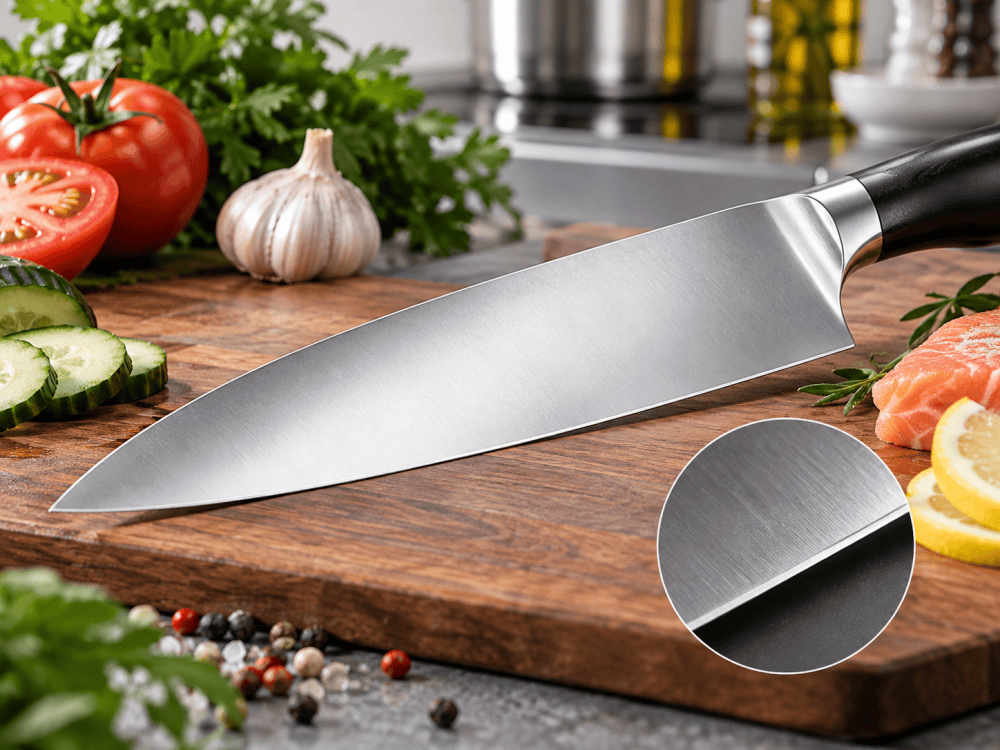
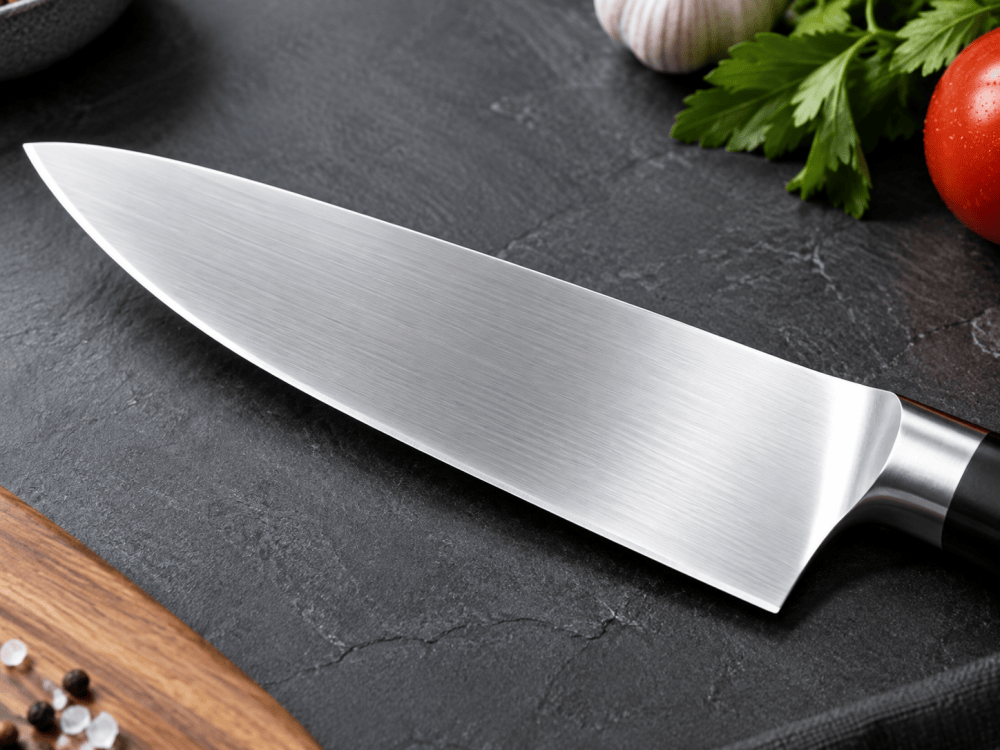
Chef's Knife 8–10 in General chopping, slicing, mincing
Paring Knife 3–4 in Peeling, trimming, garnish work
Bread Knife 8–10 in Bread, pastries, cakes
Utility Knife 5–7 in Medium-sized fruits and vegetables
Boning Knife 5–6 in Deboning meat and poultry
Slicing Knife 10–12 in Roasts, brisket, ham
Santoku Knife 7 in Vegetables, fish, precision slicing
Cleaver 6–8 in Heavy-duty meat and vegetable preparation

Which Restaurant Uses Which Knives?

Different foodservice operations have different cutting requirements. Matching the knife set to your restaurant type improves workflow and reduces unnecessary purchases.

Restaurant Type Recommended Knife Set
Fine Dining Chef, Paring, Boning, Slicing, Bread, Utility
Steakhouse Chef, Boning, Carving, Steak Knives
Bakery Bread Knife, Serrated Utility, Paring Knife
Sushi Restaurant Santoku, Slicing Knife, Utility Knife
Hotel Kitchen Complete Commercial Knife Set
Fast Food Restaurant Chef Knife, Utility Knife, Bread Knife

Choosing the right combination of knives is just as important as choosing the knives themselves. A well-planned restaurant knife set improves workflow, reduces prep time, and helps chefs deliver consistent results every service.

In Part 2, we'll explore how to choose the best commercial kitchen knife set, including blade materials, steel grades, forged vs. stamped construction, handle design, edge retention, and the most common purchasing mistakes restaurants should avoid.


How to Choose the Best Kitchen Knife Set for Restaurants

Not every commercial kitchen has the same requirements. A steakhouse processes large quantities of meat, while a bakery focuses on bread and pastries. A sushi restaurant values razor-sharp slicing performance, whereas a hotel kitchen needs an all-purpose knife collection capable of handling hundreds of different ingredients every day.

Instead of purchasing the largest knife set available, restaurant owners should evaluate the knives based on durability, cutting performance, maintenance costs, and long-term value.


1. Choose the Right Blade Material

Blade material determines edge retention, corrosion resistance, ease of sharpening, and overall lifespan. For busy commercial kitchens, stainless steel remains the most practical choice because it balances performance with low maintenance.

Material Advantages Recommended For
3Cr13 Stainless Steel Affordable, corrosion resistant, easy to maintain Restaurants, catering, wholesale
5Cr15MoV Better edge retention and wear resistance Professional chefs
High Carbon Stainless Steel Excellent cutting performance Premium kitchens
German Stainless Steel Durable and tough Heavy commercial use

For most restaurants, high-quality stainless steel provides the best balance of durability, hygiene, and maintenance.


2. Forged vs. Stamped Knives

One of the most common questions restaurant buyers ask is whether forged knives are worth the higher price.

Feature Forged Knife Stamped Knife
Manufacturing Forged from a single steel billet Laser or stamped from steel sheet
Weight Heavier Lighter
Balance Excellent Good
Durability Outstanding Very Good
Price Higher More economical

Fine dining restaurants often prefer forged knives for their balance and premium feel, while many commercial kitchens choose stamped knives because they are lighter, easier to replace, and cost-effective for large teams.


3. Full Tang Construction Matters

A full tang knife has a blade that extends through the entire handle. This construction improves strength, balance, and durability—qualities that are especially valuable in restaurants where knives are used continuously throughout the day.

  • ✔ Better weight distribution
  • ✔ Improved control
  • ✔ Reduced handle failure
  • ✔ Longer service life
  • ✔ Greater safety during heavy cutting
Full tang kitchen knife

4. Handle Material and Ergonomics

Restaurant chefs may hold a knife for several hours every shift, making comfort just as important as sharpness.

Handle Material Advantages
PP Affordable, durable, dishwasher resistant
PP + TPR Comfortable anti-slip grip
ABS Impact resistant and lightweight
Pakkawood Premium appearance and excellent stability
Natural Wood Traditional look and comfortable grip

For commercial kitchens, textured non-slip handles are generally preferred because they improve safety in wet or greasy environments.


5. How Many Knives Does a Restaurant Need?

The ideal number of knives depends on the size of your kitchen staff and menu complexity.

Kitchen Size Recommended Knife Set
Small Café 4–6 essential knives
Family Restaurant 6–8 knives
Steakhouse 8–10 knives
Hotel Kitchen 10–15+ knives
Central Kitchen Multiple complete sets

Buying more knives isn't always better. Purchasing the right combination of knives improves efficiency while reducing unnecessary costs.


Common Mistakes When Buying Restaurant Knife Sets

Many restaurants replace their knife sets sooner than expected because they overlook a few key purchasing factors. Avoiding these mistakes can significantly extend the lifespan of your investment.

  • ❌ Choosing the lowest-priced knives without considering durability.
  • ❌ Buying specialty knives that rarely get used.
  • ❌ Ignoring handle comfort and chef ergonomics.
  • ❌ Selecting the wrong steel grade for daily workloads.
  • ❌ Forgetting to budget for sharpening tools and maintenance.
  • ❌ Purchasing different brands with inconsistent balance and quality.
  • ❌ Overlooking food safety certifications for commercial kitchens.

The best commercial kitchen knife set isn't necessarily the most expensive—it's the one that matches your menu, workflow, and long-term operating needs.

In Part 3, we'll cover restaurant knife maintenance, sharpening schedules, cleaning and storage best practices, and explain why restaurants and distributors around the world choose FASAKA for OEM and private-label kitchen knife manufacturing.


Restaurant Knife Maintenance: Protect Your Investment

Even the best kitchen knife set will lose performance without proper maintenance. In a commercial kitchen, knives are used continuously throughout the day, making regular cleaning, sharpening, and storage essential for maintaining food quality, employee safety, and operational efficiency.

A well-maintained knife not only cuts more precisely but also reduces chef fatigue and lowers the risk of accidents caused by slipping blades.


Daily Cleaning Best Practices

Restaurant knives come into contact with raw meat, seafood, vegetables, bread, dairy products, and ready-to-eat foods. Proper cleaning helps prevent cross-contamination while extending the life of the blade.

  • ✔ Wash knives by hand immediately after use.
  • ✔ Use warm water with mild detergent.
  • ✔ Dry thoroughly with a soft towel before storage.
  • ✔ Sanitize knives after preparing raw meat, poultry, or seafood.
  • ✔ Store knives in a clean, dry location.
  • ✔ Inspect blades daily for chips or damage.

Never leave kitchen knives soaking in sinks. Water exposure can shorten the lifespan of both the blade and handle.


How Often Should Restaurant Knives Be Sharpened?

Sharpening frequency depends on knife usage, cutting board material, and food preparation volume. Commercial kitchens generally require more frequent maintenance than home kitchens.

Restaurant Type Recommended Sharpening Schedule
Fine Dining Every 2–4 weeks
Hotel Kitchen Every 2 weeks
Steakhouse Every 1–3 weeks
Bakery Monthly
Fast Food Restaurant Every 3–4 weeks

Between sharpening sessions, using a honing steel daily helps maintain the knife's cutting edge and extends the interval between professional sharpening.


Knife Storage Solutions for Commercial Kitchens

Proper storage protects knife edges and keeps kitchen workstations organized.

Storage Method Best For Recommendation
Magnetic Knife Strip Professional kitchens ★★★★★
Knife Block Restaurants & homes ★★★★☆
Blade Guards Mobile chefs & catering ★★★★★
Loose Drawer Storage Not recommended ★☆☆☆☆
Professional kitchen knife storage

Why Restaurants Choose OEM Kitchen Knife Manufacturers

As restaurant brands expand, many choose OEM or private-label knife manufacturers instead of purchasing generic retail products. OEM manufacturing provides greater flexibility, stronger brand identity, and better long-term value.

Benefits of OEM Kitchen Knife Manufacturing

  • Custom blade materials and finishes
  • Laser-engraved restaurant or brand logos
  • Custom handle colors and materials
  • Private-label retail packaging
  • Exclusive knife set configurations
  • Consistent quality across large production runs
  • Competitive wholesale pricing
  • Reliable global export support

Why Choose FASAKA?

With decades of experience in manufacturing kitchen knives and kitchenware, FASAKA provides OEM and ODM solutions for restaurant suppliers, wholesalers, distributors, retailers, and international brands.

Our capabilities include:

  • Professional kitchen knife sets
  • Chef knives, bread knives, steak knives, utility knives, and complete collections
  • Custom logos and private-label branding
  • Custom packaging and gift box design
  • Bulk manufacturing with strict quality control
  • Worldwide export experience

Learn more about our OEM services:
//www.fasaka.com/oem-odm-kitchenware.html

Browse our complete kitchen knife collection:
//www.fasaka.com/kitchen-knives.html

Contact our team for OEM and wholesale inquiries:
//www.fasaka.com/contact-fasaka.html


Frequently Asked Questions

What knives should every restaurant have?

At minimum, restaurants should have a chef's knife, paring knife, bread knife, utility knife, boning knife, and slicing knife. Additional specialty knives depend on the menu.

What is the best steel for restaurant kitchen knives?

High-quality stainless steel such as 3Cr13, 5Cr15MoV, or high-carbon stainless steel provides an excellent balance of sharpness, corrosion resistance, and durability.

Should restaurants buy knife sets or individual knives?

For new restaurants, a professional knife set is usually more cost-effective and ensures consistent quality. Established kitchens may supplement with specialty knives as needed.

How long do commercial kitchen knives last?

With proper care and regular sharpening, professional kitchen knives can provide reliable performance for many years, even in high-volume commercial kitchens.

Are forged knives better for restaurants?

Forged knives generally offer better balance and durability, making them ideal for intensive daily use. However, high-quality stamped knives are also an excellent option for many commercial kitchens due to their lighter weight and lower cost.

Can restaurant knives go in the dishwasher?

No. Hand washing is strongly recommended to preserve blade sharpness, prevent handle damage, and extend the lifespan of the knife.


Final Thoughts

Choosing the best kitchen knife set for a restaurant goes far beyond selecting the sharpest blade. The ideal commercial knife set should match your menu, kitchen workflow, staff experience, and maintenance routine while delivering consistent performance day after day. Investing in high-quality knives improves food preparation speed, enhances presentation, increases safety, and reduces long-term replacement costs.

Whether you're opening a new restaurant, upgrading an existing kitchen, or sourcing products for wholesale distribution, partnering with an experienced manufacturer ensures you receive durable, reliable knives designed for demanding commercial environments.

The best restaurant kitchen knife set isn't just a collection of knives—it's a long-term investment in efficiency, consistency, and culinary excellence.